

You face several challenges when sourcing stand up paddle boards, such as quality inconsistencies, delayed shipments, and communication gaps with suppliers.
-
Quality inconsistency leading to returns or replacements
-
Delayed shipments affecting seasonal sales
-
Communication inefficiencies with suppliers
-
Lack of after-sales support
Selecting reliable partners with proven certifications and strong quality control practices reduces these risks. Leverage customization and OEM options to boost your brand presence, using features like full-deck graphics or color matching. Prioritize suppliers with international compliance and experience in your target region.
Key Takeaways
-
Choose reliable suppliers with strong quality control to minimize risks like returns and delays.
-
Understand the different types of SUP boards to meet diverse customer needs and preferences.
-
Leverage customization options to enhance brand visibility and differentiate your products.
-
Evaluate supplier certifications to ensure compliance with safety and quality standards.
-
Build long-term relationships with suppliers for better pricing, support, and consistent quality.
SUP Board Types & Customization
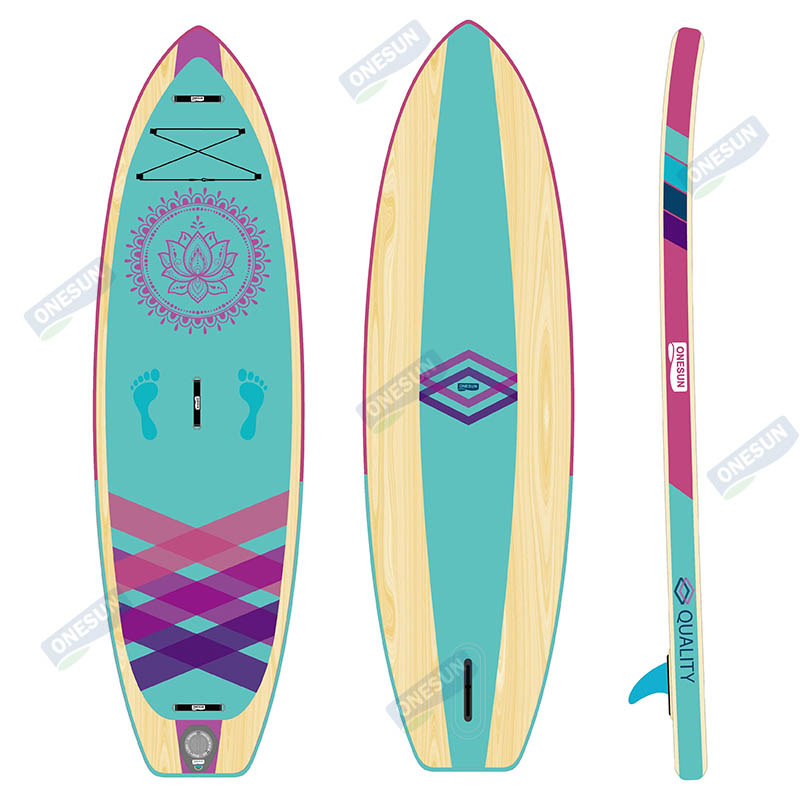
Main Stand Up Paddle Boards Types
You will find three main types of sup boards when sourcing for wholesale. Each type serves a different purpose and fits unique customer needs. The table below outlines the main hull types, their best uses, and performance traits:
|
Hull Type |
Best For |
Performance Traits |
|---|---|---|
|
Planing |
Leisure paddling, Surfing, SUP yoga, Whitewater |
Stable and easy to maneuver, rides on top of the water, good for beginners |
|
Displacement |
Fitness paddling, Touring/camping, Racing |
Efficient and fast, designed to slice through water, great for long distances |
|
Hybrid |
A wide variety of activities and water conditions |
Cuts through water easily, stable |
You should consider inflatable sup board options for easy transport and storage. Inflatable models dominate the market due to their convenience and lightweight design.
Customization & Branding Features
Customization drives your brand’s visibility and sets your products apart. You can request custom designs that match your market’s needs, such as boards optimized for fast-moving rivers. Many suppliers offer color and graphics customization, including logo printing and unique patterns. You can also select accessory packages, such as custom paddles or carrying bags, to enhance your offering. Private labeling allows you to sell under your own brand name, which strengthens your market position.
Tip: Work closely with your supplier to ensure your customization requests align with your branding strategy and target audience.
Materials and Construction Options
Material selection impacts the quality, durability, and performance of your sup boards. Inflatable sup board models often use PVC, which resists abrasion and UV damage. Drop-stitch technology creates a rigid, flat surface when inflated, improving performance. Fusion technology bonds layers without heavy glues, making the board lighter and stronger. For rigid boards, EPS foam provides buoyancy, while fiberglass adds strength. Reinforced rails help maintain shape and prevent air leakage, which is essential for inflatable models.
You should always evaluate the durability and construction methods when sourcing stand up paddle boards. This ensures your customers receive high-quality products that last.
Buying Guide for Wholesalers
MOQ, Certifications & OEM Options
You need to understand the minimum order quantity (MOQ) requirements before you start sourcing sup boards. Most manufacturers set different MOQs based on the level of customization. For logo-only private label orders, you can expect a MOQ of 50 pieces. Full OEM customization, which includes unique graphics, shapes, and packaging, usually requires 200 to 500 pieces. Brands like Havenseek offer MOQs ranging from 50 to 100 units, making them suitable for smaller distributors.
|
Customization Type |
MOQ Range |
|---|---|
|
Logo-only private label |
50 pieces |
|
Full OEM customization |
200 - 500 pieces |
|
Havenseek |
50 - 100 units |
Certifications play a critical role in ensuring quality and compliance. You must verify that your supplier holds certifications relevant to your target market. ISO 9001 guarantees consistent manufacturing standards. REACH certification is mandatory for chemical safety in Europe. Proposition 65 is required in California for chemical safety. CE Marking confirms compliance with EU health, safety, and environmental standards. BSCI and SMETA certifications ensure ethical labor practices, which impact product quality and brand reputation.
|
Certification |
Importance |
|---|---|
|
ISO 9001 |
Ensures consistent quality in manufacturing, critical for B2B relationships |
|
REACH |
Mandatory for chemical safety in Europe, limits hazardous substances |
|
Proposition 65 |
Required in California for safety regarding harmful chemicals |
|
CE Marking |
Confirms compliance with EU health, safety, and environmental standards |
|
BSCI/SMETA |
Ensures ethical labor practices, impacting product quality and reputation |
OEM and ODM options allow you to tailor sup boards to your brand. OEM services include custom graphics, packaging, and private labeling. ODM services let you modify existing designs to fit your market. You should choose OEM if you want full control over branding and design. ODM works best when you need quick turnaround and proven designs.
Tip: Always request certification documents and product samples before placing a bulk order. This step protects your business from quality issues and regulatory risks.
Identifying Reliable SUP Suppliers
You must evaluate each supplier carefully to ensure consistent quality and reliable logistics. Use the following criteria to assess potential partners:
|
Criteria |
Description |
|---|---|
|
Quality Control |
Suppliers should have rigorous quality control systems with documented checkpoints and third-party certifications like CE and ISO. |
|
Supply Chain & Logistic Reliability |
Reliable suppliers provide predictable lead times and have EU-aligned warehouses to reduce logistical issues. |
|
Manufacturing Capability |
Suppliers must demonstrate consistent manufacturing standards and the ability to maintain quality across large production volumes. |
|
Customization and OEM/ODM Services |
Important for product differentiation, including custom graphics, private-label branding, and packaging design. |
|
Market Reputation and Distribution Experience |
Suppliers with proven experience in international markets and cooperation with European retailers are prioritized. |
Follow these steps to identify a reliable supplier:
-
Request detailed documentation of quality control processes.
-
Ask for references from other distributors or retailers.
-
Review their production capacity and lead times.
-
Inspect sample sup boards for durability and finish.
-
Confirm their ability to handle OEM and ODM customization.
-
Check their certifications and compliance history.
Note: Reliable suppliers often have established relationships with international distributors and can provide after-sales support for inflatable sup board models.
Regional Supplier Differences
You will find significant differences in pricing, quality, and service among suppliers in China, Vietnam, and the USA. Chinese suppliers like Panda Outdoor Sports offer one-stop service, strict quality assurance, and high production capacity (up to 1,500 pieces per month). They provide extensive customization options and wholesale pricing. Vietnamese and American suppliers may not match China’s production scale or customization flexibility, but they can offer faster logistics and local support.
|
Feature |
China (Panda Outdoor Sports) |
Vietnam |
USA |
|---|---|---|---|
|
One-stop service |
Yes |
N/A |
N/A |
|
Production capacity |
1,500 pieces/month |
N/A |
N/A |
|
Quality assurance |
Strict process |
N/A |
N/A |
|
Customization options |
Yes |
N/A |
N/A |
|
Pricing model |
Wholesale |
N/A |
N/A |
You should weigh the advantages of each region based on your business needs. China offers lower prices and broad customization for inflatable sup board and rigid models. Vietnam and the USA may provide better logistics and faster delivery for smaller orders. Consider your target market, lead times, and after-sales support when choosing a supplier.
Callout: Regional differences affect sourcing strategy. Evaluate production capacity, customization options, and logistics before finalizing your supplier.
A buying guide helps you navigate the complexities of stand up paddle boarding wholesale. You must balance MOQ, certifications, OEM/ODM options, supplier reliability, and regional differences to build a profitable sourcing strategy.
Supplier Comparison & Evaluation
Supplier Comparison Table
You need a clear overview when comparing suppliers for sup boards. The following table highlights key factors that impact your decision. It covers both inflatable and solid board options, helping you match your business needs with the right supplier.
|
Factor |
Inflatable Paddle Boards |
Solid Paddle Boards |
|---|---|---|
|
Length |
Ideal for flatwater cruising and racing |
More maneuverable for surfing waves |
|
Width |
Provides exceptional stability for beginners |
Prioritizes speed and agility |
|
Thickness |
Supports heavier riders and gear |
Lighter and more efficient for long distances |
|
Storage |
Compact storage, ideal for limited space |
Requires ample storage space |
|
Durability |
Resistant to punctures but can be damaged easily |
High durability but heavier |
|
Portability |
Lightweight and compact for easy transport |
Cumbersome to transport |
|
Price |
Typically more affordable |
Generally more expensive due to materials |
Tip: Use this table to align your product selection with your target market. If your customers value portability and easy storage, focus on inflatable sup board models. For advanced users who prioritize performance, solid boards may offer better value.
Assessing Manufacturing Quality
You must evaluate manufacturing quality before committing to a supplier. High-quality sup boards reflect your brand and reduce returns. Start by examining the supplier’s approach to innovation and craftsmanship. For example, some leading brands shape and design their boards using advanced CAD software, then finish each board by hand. This process ensures consistency and attention to detail.
Look for these signs of superior manufacturing:
-
Suppliers who use experienced designers and premium materials in production.
-
Consistent quality checks at every stage of the manufacturing process.
-
Fin systems that match your market’s needs. Mass-market boards often use removable center fins made from sheet plastic. Higher quality boards offer permanent fins, which are nearly indestructible and prevent loss or breakage.
-
Fins molded with contoured sides for smoother rides and responsive turning.
When you assess a supplier, request detailed documentation of their quality control systems. Inspect sample boards for finish, weight, and durability. Ask about their experience with oem and odm projects. Reliable suppliers will provide references from other distributors and share their production capacity. You should also confirm their ability to deliver both inflatable sup board and rigid models with consistent quality.
Note: A supplier with strong manufacturing standards will support your oem customization goals and help you maintain a competitive edge.
Negotiation & Partnership Tips
Building a strong partnership with your supplier goes beyond price negotiation. You should approach negotiations with clear goals for customization, oem options, and logistics support. Prepare a list of your requirements, including minimum order quantities, lead times, and after-sales service.
Follow these steps to create a successful supplier relationship:
-
Communicate your expectations for oem and customization early in the process.
-
Request a transparent breakdown of costs, including production, packaging, and shipping.
-
Negotiate flexible payment terms that protect your cash flow.
-
Establish clear timelines for production and delivery, especially for inflatable sup board orders.
-
Set up regular check-ins to monitor progress and address any issues quickly.
Callout: Strong partnerships with your supplier lead to better pricing, priority in production schedules, and improved support for your oem and odm projects.
You should always evaluate the supplier’s ability to scale production as your business grows. A reliable supplier will offer solutions for both small and large orders, adapt to your changing needs, and provide insights into market trends. This approach ensures your inflatable stand up paddle boards meet the highest standards for quality, durability, and customization.
Logistics & Supply Chain
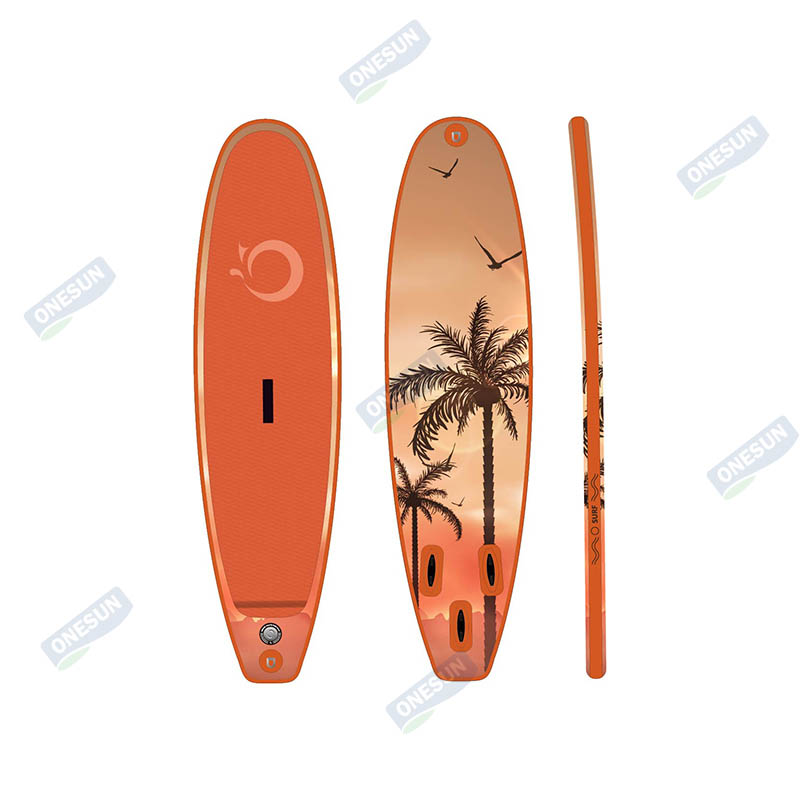
Order Quantities & Lead Times
You must plan your order quantities and lead times carefully to keep your business competitive. Inflatable models often require longer production schedules, especially during peak seasons. Most manufacturers set minimum order quantities for custom designs, which can impact your cash flow and inventory management. As a distributor, you should confirm lead times for both inflatable sup board and rigid models before placing bulk orders. Reliable suppliers provide clear timelines and update you on any changes. Delays in production or shipping can affect your seasonal sales and customer satisfaction.
Shipping & Delivery Solutions
Shipping stand up paddle boards presents unique challenges due to their size and shape. You can reduce costs and minimize damage by choosing the right logistics partners and packaging methods.
Using a 3PL that specializes in paddleboards can significantly reduce shipping costs due to negotiated oversized rates. They ensure that each board is packed securely, which minimizes damage and enhances the overall shipping experience.
You should also consider these best practices:
-
Invest in proper packaging materials to prevent damage.
-
Leave space between the board and box walls for cushioning.
-
Break down multi-piece paddles to reduce length.
-
Wrap each component separately to avoid contact damage.
Shipping paddleboards requires special considerations due to their size. Using a freight company is essential for bulk orders, as they can handle the logistics better than standard carriers. The company also offers a double boxing method to minimize damage risk during transit, which is crucial for maintaining the quality of bulk orders.
-
Use a business address for shipping to save 20-50% on costs.
-
Compare pricing between pickup and drop-off options with carriers to find the most economical choice.
These steps help you protect the durability of your inflatable sup board shipments and keep your costs under control.
Risk Management & Sustainability
You face several supply chain risks when sourcing custom sup products. Inconsistent quality, unreliable lead times, and high minimum order quantities can disrupt your business. Communication issues may lead to production errors or delays. Lack of product differentiation can force you into price competition, which weakens your brand.
Leading suppliers address these risks by adopting strict quality control and sustainable manufacturing practices. Many now hold certifications that demonstrate their commitment to ethical and environmentally friendly operations.
|
Certification/Practice |
Description |
|---|---|
|
ISO 9001 |
Quality management system standard ensuring consistent quality in products and services. |
|
CE |
Certification indicating conformity with health, safety, and environmental protection standards. |
|
BSCI |
Business Social Compliance Initiative promoting ethical labor practices. |
|
REACH |
Regulation concerning the Registration, Evaluation, Authorisation and Restriction of Chemicals. |
|
SMETA 4-Pillar |
Audit ensuring ethical labor, safety, and transparency in manufacturing. |
|
ISO 14001 |
Environmental Management System certification verifying sustainable manufacturing practices. |
You should prioritize suppliers who meet these standards for both inflatable and rigid boards. This approach supports your brand’s reputation and ensures long-term success in the sup market.
Profitable Sourcing Strategy
Cost & Margin Optimization
You can maximize profitability by leveraging bulk purchasing and tiered pricing. Buying in large quantities reduces per-unit costs, which increases your retail margins. Suppliers specializing in commercial water sports equipment often offer scalable discounts based on order volume. Optimizing container loads by compressing deflated inflatable boards and refining packaging geometry lowers shipping expenses. This strategy boosts your profits when distributing locally.
Consider these cost optimization strategies:
-
Mandate 72-hour inflation pressure testing for every inflatable sup board to ensure durability and minimize returns.
-
Source military-grade PVC with certificates to guarantee quality.
-
Choose accessory packs that add value, such as rod holders or cooler brackets, which can expand your margins by over 200% compared to basic models.
-
Select suppliers with reasonable minimum order quantities for trial container loads.
In watersports retail, manufacturing quality determines your brand’s success. Understanding the differences between Single Layer, Double Layer, and Fusion Layer inflatable boards forms the foundation of your business model.
Long-Term Supplier Relationships
Building strong partnerships with your suppliers ensures consistent quality and responsive communication. Long-term planning aligns your growth goals with your supplier’s capabilities. Clear communication about performance metrics, delivery schedules, and quality standards keeps everyone on track. Mutual benefit agreements foster a win-win environment.
|
Best Practice |
Description |
|---|---|
|
Long-term planning |
Develop strategies for growth and evolving needs with suppliers. |
|
Clear communication |
Set expectations for performance and logistics. |
|
Mutual benefits |
Create agreements that benefit both parties. |
-
Understand your supplier’s business to enhance collaboration.
-
Regularly evaluate suppliers using key performance indicators and provide feedback.
Long-term partnerships lead to consistent quality and better pricing strategies. Shared growth initiatives and responsive communication help address issues quickly, improving product quality for both inflatable and odm models.
Market Trends & Opportunities
You must stay ahead of market trends to capture new opportunities. Brand identity now drives business growth in the sup market. Customers value visual appeal and storytelling, often influenced by social media. Branded paddle boards become lifestyle statements, not just products.
Emerging opportunities include:
-
Increased investments in the paddle board market, with a 15% rise in 2023.
-
Development of lightweight, durable paddle materials.
-
Partnerships with eco-friendly suppliers for sustainable products.
-
Expanding demand in emerging economies for affordable, high-quality boards.
-
E-commerce platforms now account for 35% of paddle sales.
-
Growth in rental services and paddleboarding schools, with a 20% global increase.
-
Integration of technology, such as smart paddles with sensors.
You should adapt your sourcing strategy to capitalize on these trends. Focus on innovation, durability, and logistics to meet evolving customer demands and secure your position in the market.
You make the most critical sourcing decisions by focusing on quality, lead times, after-sales service, and inventory management.
|
Sourcing Challenge |
Impact on Profitability |
|---|---|
|
Quality inconsistencies between suppliers |
Increased returns and customer dissatisfaction |
|
Long lead times and high minimum order quantities |
Stockouts or excess inventory, affecting cash flow |
|
Warranty and after-sales service issues |
Damaged brand reputation and customer loyalty |
|
Inventory management and seasonal demand forecasting |
Overstock or stockouts, impacting sales |
Reliable suppliers and strong customization options drive your brand’s success. You should implement eco-friendly materials and packaging for a sustainable sourcing strategy.
|
Eco-Friendly Options |
Description |
|---|---|
|
Recyclable PVC |
Material that can be recycled after use |
|
Biodegradable packaging |
Packaging that breaks down naturally |
|
Non-toxic UV printing inks |
Inks that do not contain harmful chemicals |
|
Certifications |
Compliance with environmental standards |
Ongoing evaluation of supplier relationships unlocks growth and innovation.
-
Strong partnerships improve order fulfillment and quality standards
-
Collaboration identifies cost-saving opportunities
-
Regular reviews ensure accountability and continuous improvement
Keep adapting your sourcing strategy to market trends and supplier performance. This approach secures long-term profitability and sustainability.
FAQ
What are the main benefits of sourcing sup boards through a b2b supplier?
You gain access to bulk pricing, consistent quality, and reliable logistics. B2b buyers can request oem options, custom-driven production model features, and market-specific designs. This approach supports balanced sourcing and helps you meet demand for touring, yoga, and sup with kids activities.
How do you ensure oem sup boards meet market performance standards?
You should request product samples and certification documents. B2b buyers must review manufacturing quality, inspect solid boards, and confirm oem specifications. Suppliers with experience in fitness, yoga, and touring markets deliver boards that match your performance requirements.
Can you customize sup boards for yoga, fitness, and touring demand?
Yes. B2b buyers can select oem features, such as full-deck graphics, accessory packs, and branding for yoga, fitness, and touring. Suppliers offer market-driven customization, including sup yoga designs and options for sup with kids. This flexibility supports your custom-driven production model.
What is the typical lead time for b2b orders of oem sup boards?
Lead times vary by supplier and market demand. Most b2b buyers receive oem orders within 30–60 days. You should confirm production schedules for yoga, touring, and sup yoga models. Reliable suppliers update you on timelines and help you manage inventory for balanced sourcing.
How do you choose the right supplier for b2b sup yoga and fitness boards?
You must evaluate market reputation, oem capabilities, and demand forecasting. B2b buyers should review supplier certifications, inspect sample boards, and assess after-sales support. Strong partnerships ensure consistent quality for yoga, fitness, and sup yoga models in your market.


 IPv6 network supported