You will see that hull design and rocker profiles make whitewater and flatwater inflatable kayaks different. Hull design is the shape of the kayak’s bottom. Rocker profile shows how much the ends curve up. These things are important because they change how your kayak moves in water.
- Whitewater kayaks have short, flat bottoms and lots of rocker. This helps you turn fast and miss obstacles.
- Flatwater kayaks have long, rounded hulls with less rocker. This lets you paddle straight for a long time.
Picking the right design keeps you safe and makes paddling easier in each place.
Key Takeaways
- Pick a kayak based on where you paddle. Whitewater kayaks turn fast in rapids. Flatwater kayaks move straight in calm water.
- Learn about hull shapes. Planing hulls work best for whitewater. They let you turn quickly. Displacement hulls are good for flatwater. They give speed and keep you steady.
- Rocker profiles are important. High rocker helps you turn in rough water. Low rocker helps you go straight in calm water.
- Find self-bailing features in whitewater kayaks. They drain water fast. Flatwater kayaks should keep water out. This protects your gear.
- Think about materials. Thicker materials last longer in whitewater. Lighter materials make flatwater kayaks easy to carry.
Inflatable Kayaks: Hull Design
Planing vs. Displacement Hulls
When you look at inflatable kayaks, you will notice two main hull shapes: planing and displacement. Each shape changes how your kayak moves and feels on the water.
- Planing hulls have a flat bottom. You will find these on most whitewater inflatable kayaks. This shape lets you ride on top of the water. You can turn quickly and handle waves or obstacles with ease. Planing hulls give you more control when you need to react fast.
- Displacement hulls have a rounded or V-shaped bottom. These hulls cut through the water instead of riding on top. You will see this design in flatwater inflatable kayaks. Displacement hulls help you paddle straight and keep your speed. They are more forgiving if you make small mistakes while paddling.
Here is a table to help you compare the main hull types you might see:
| Hull Type |
Characteristics |
Performance Impact |
| Flat Hull |
Great primary stability |
Best for calm or whitewater, not for rough open water |
| Round Hull |
Good speed and secondary stability |
Used in sea kayaks, handles waves well |
| V-Hull |
Fast, tracks straight, less primary stability |
Cuts through water, needs skill to balance |
| Pontoon Hull |
Stable, tracks well, handles small waves |
Good for beginners, not for big waves |
Stability and Tracking
Hull design affects how stable your inflatable kayak feels and how well it tracks, or goes straight. Flat hulls give you a steady ride, especially when you sit still or move slowly. This makes them popular for whitewater, where you need to stay upright in rough water. Drop-stitch floors make the bottom even stiffer and flatter, so you can punch through waves and keep your gear steady.
If you want to paddle on lakes or slow rivers, a V-hull or round hull will help you move faster and keep your kayak going straight. The Sea Eagle FastTrack, for example, uses a V-bottom hull. This shape helps you paddle efficiently and control your direction, especially if you use a skeg. I-beam floors add ribbed chambers that boost stability and tracking, making them a smart choice for flatwater.
Tip: Choose a hull shape that matches where you want to paddle. Planing hulls work best for whitewater. Displacement hulls shine on flatwater.
Inflatable kayaks come in many shapes, so you can find one that fits your needs. If you want to try a TPU inflatable boat, you will see similar hull options, but always check the design before you buy.
Rocker Profiles in Inflatable Kayaks
What Is Rocker?
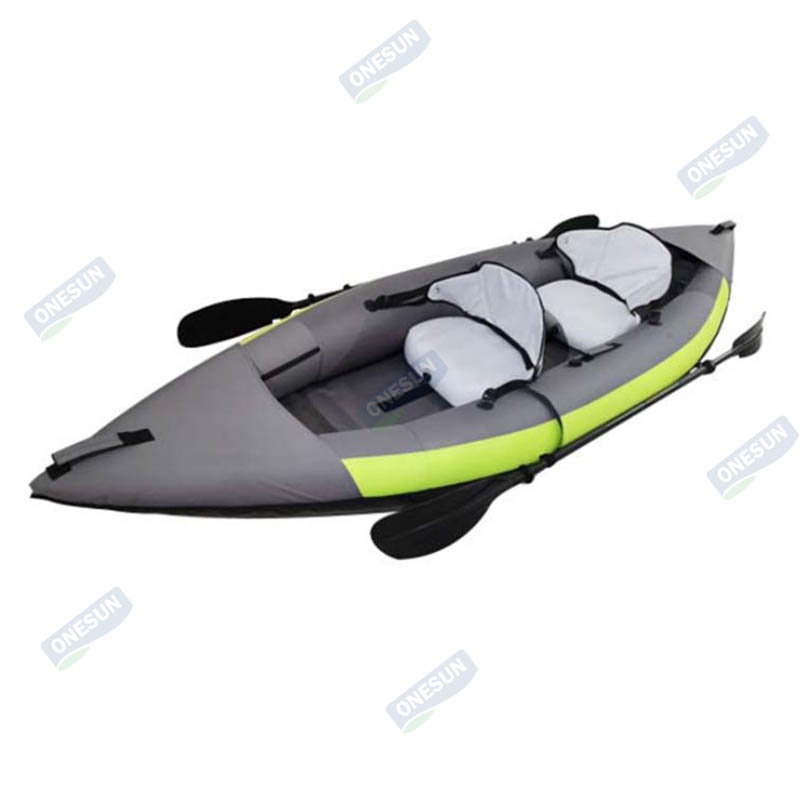
You might notice that some Inflatable Kayaks curve upward at the ends. This curve is called rocker. Rocker means the bow and stern rise above the waterline. The shape changes how your kayak moves and turns.
- Rocker is the lengthwise curve from the front to the back of the kayak.
- A kayak with lots of rocker has both ends lifted higher.
- Less rocker means the kayak stays flatter and touches more water.
Rocker affects how you control your kayak. When you paddle a kayak with more rocker, you can turn quickly. The shorter waterline makes it easier to spin and avoid rocks or logs. If you use a kayak with less rocker, you will find it tracks straighter. The longer waterline helps you paddle in a straight line, which is great for calm water.
Note: Rocker is important for both maneuverability and tracking. You should check the rocker profile before you choose your Inflatable Kayak or TPU Inflatable Boat.
High vs. Low Rocker
You will see two main rocker profiles: high and low. Each profile works best in different water conditions.
| Rocker Profile |
Bow & Stern Curve |
Waterline Length |
Maneuverability |
Tracking |
Best For |
| High Rocker |
More curve |
Shorter |
Easier turns |
Less |
Whitewater |
| Low Rocker |
Less curve |
Longer |
Harder turns |
More |
Flatwater |
High rocker helps you ride over obstacles in whitewater. The bow lifts up, so you can land drops and stay above waves. You will find that high rocker makes your kayak more forgiving when you hit rough spots. Low rocker gives you speed and straight tracking. If you paddle on lakes or slow rivers, low rocker lets you glide smoothly and keep your direction.
Inflatable Kayaks with high rocker work best for whitewater. You can turn fast and avoid hazards. Low rocker is better for flatwater, where you want to paddle straight and cover more distance. When you pick a TPU Inflatable Boat, look at the rocker profile to match your paddling style.
Tip: Choose high rocker for agility in rapids. Pick low rocker for speed and tracking on calm water.
Whitewater Inflatable Kayaks: Features
Maneuverability and Control
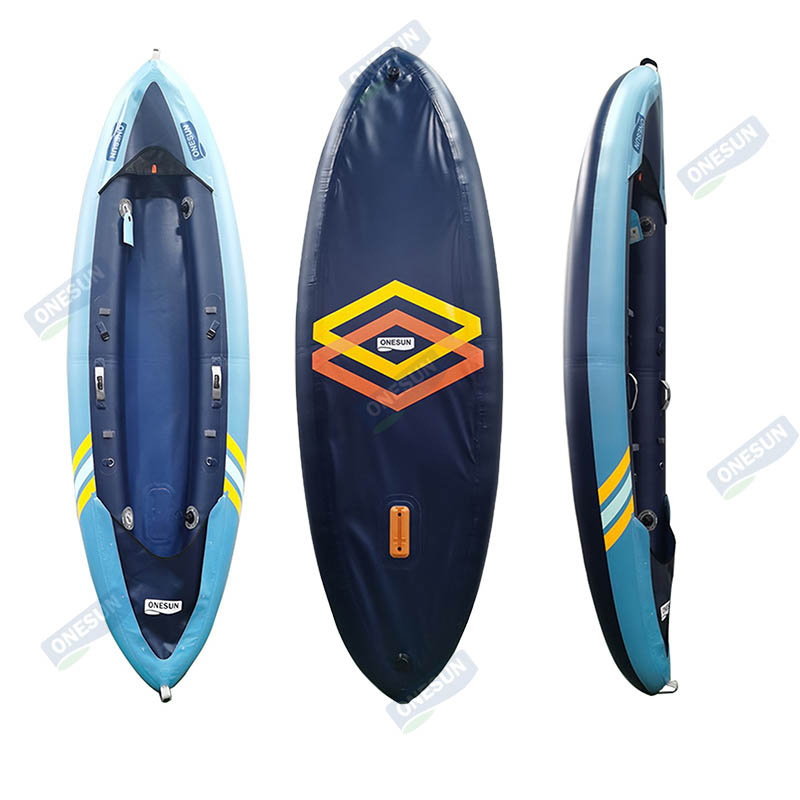
You must turn fast in whitewater. Whitewater inflatable kayaks are short and wide. This shape helps you spin and dodge rocks easily. They have high rocker, so the ends curve up. This lets you ride over waves and change direction quickly. You do not need much effort to turn in rapids. The flat hull helps you control your kayak in rough water.
- Short and wide body makes turning easy
- High rocker lets you change direction fast
- Flat hull gives you control in rough water
Tip: Pick a kayak with these features if you want to paddle in fast rivers. You will have better control.
Self-Bailing and No Tail Fin
Whitewater has lots of splashes and water inside your kayak. You do not want to stop and empty your boat often. Whitewater inflatable kayaks use self-bailing floors. These floors have holes that drain water quickly. You stay safer and drier because water leaves fast. Most whitewater kayaks do not have a tail fin. Fins help you go straight, but they can catch on rocks. Without a fin, you turn faster and avoid getting stuck.
| Feature |
Whitewater Kayaks |
Flatwater Kayaks |
| Drainage |
Self-bailing with holes for quick removal |
Drain plugs to keep gear dry |
| Tail Fin |
Usually none for better agility |
Often included for straight tracking |
Note: Self-bailing keeps you moving in rough water. No tail fin helps you turn without worry.
Durable Materials
You need a strong kayak for whitewater. Sharp rocks and strong currents can hurt weak boats. Whitewater inflatable kayaks use thick and tough materials. These include urethane bladders, 1100 denier polyurethane, heavy-duty PVC, and reinforced TPU fabric. These materials resist cuts, scrapes, and sun damage. Strong seams, like RF welded seams, keep water out and make your kayak last longer.
| Material Type |
Benefits |
| Urethane Bladders |
Easy leak repairs, quick swaps |
| 1100 Denier Polyurethane |
Strong against bumps, long-lasting seams |
| Heavy-Duty PVC |
Resists cuts, scrapes, and sun damage |
| Reinforced TPU Fabric |
Puncture-resistant, flexible in cold |
| RF Welded Seams |
Strong seams that keep water out |
Callout: Tough materials keep you safe and let you enjoy your trip without worry.
Whitewater inflatable kayaks give you safety, control, and fun in rough water.
Flatwater Inflatable Kayaks: Features
Tracking and Efficiency
You want your kayak to go straight on calm water. Flatwater inflatable kayaks have features that help you paddle easily. Many have a drop-stitch bow keel. This is a small ridge under the front of your kayak. It helps your boat cut through water and stay straight. Some kayaks have a removable fin. You can put this fin on the bottom for better tracking. The fin stops your kayak from drifting side to side.
A non-slip drop-stitch floor makes paddling easier. It gives you a solid spot to sit or stand. You do not waste energy trying to balance. Strong hull materials, like 1000 denier fabric, make your kayak last longer. Extra reinforcements add even more strength.
| Feature |
Benefit |
| Drop-stitch bow keel |
Makes your kayak track much better |
| Removable fin |
Helps your kayak go straight in the water |
| Non-slip drop-stitch floor |
Gives you more stability and efficiency |
| Durable 1000 Denier hull |
Makes your kayak tough and strong |
| 2000 Denier reinforcements |
Adds strength where you need it most |
Tip: Use the removable fin on lakes. Take it off in shallow water.
Keel and Primary Stability
You want your kayak to feel steady when you sit or move. Flatwater inflatable kayaks are made for primary stability. This means your kayak stays flat and balanced on calm water. Wide, flat, or pontoon-style hulls make you feel safe. You can stand up or fish without tipping over. Some models, like the NuCanoe Unlimited and Wilderness Systems Recon 120, use wide beams and flat hulls. These designs let you move and stand with confidence.
- High primary stability helps new paddlers feel safe.
- Wide hulls are good for fishing or relaxing.
- Flat bottoms keep your kayak steady, even if you move around.
You will feel more comfortable and worry less about tipping over with a stable kayak.
Lightweight Materials
You want a kayak that is easy to carry and store. Flatwater inflatable kayaks use light materials to help you. PVC is a common choice. It keeps your kayak light and strong. Vinyl makes the kayak even lighter, but it is not as stiff. Nylon is light and strong too. Rubber is heavy and not used much for flatwater kayaks.
| Material |
Weight |
Durability |
Portability |
Performance |
| PVC |
Light |
High |
Good |
Excellent |
| Vinyl |
Lighter |
Moderate |
Very Good |
Less Rigid |
| Rubber |
Heavy |
High |
Poor |
Good |
| Nylon |
Light |
Moderate |
Good |
Good |
You can lift and pack your kayak without much trouble. Light materials make it easy to bring your kayak to the water and back home.
Note: Lightweight kayaks are great for people who paddle alone or families who want easy trips.
Inflatable Kayaks for flatwater give you smooth tracking, strong stability, and easy handling. You can have fun on lakes and slow rivers with less stress.
Performance Comparison
Tracking vs. Maneuverability
Whitewater and flatwater kayaks act very differently on the water. Whitewater kayaks turn fast and help you react quickly. This is helpful when you need to avoid rocks or paddle through rapids. Flatwater kayaks are made to go straight for a long time. This helps when you cross a lake or paddle down a slow river.
- Whitewater kayaks are easy to turn and control in rough water.
- Flatwater kayaks move straight and save energy in calm water.
Most people pick a kayak based on where they want to paddle. If you like twisty rivers with lots of things in the way, you need a kayak that turns easily. If you want to paddle far, you need a kayak that goes straight and is easy to paddle.
Tip: Think about where you like to paddle most. Pick a kayak that fits the water for the best trip.
Draining vs. Dryness
There is another big difference in how these kayaks handle water inside. Whitewater kayaks have self-bailing floors with holes. These holes let water drain out fast. This keeps you safer because water does not fill up your kayak. Flatwater kayaks do not have self-bailing floors. They keep water out, but if water gets in, your gear can get wet.
- Whitewater kayaks drain water fast to keep you safe.
- Flatwater kayaks try to keep you and your gear dry.
Many people like self-bailing kayaks for rough water. You do not have to stop and empty water out. On lakes, you want a kayak that keeps your stuff dry so you can relax.
| Kayak Type |
Water Management Feature |
Best For |
| Whitewater |
Self-bailing floor (drains fast) |
Rapids, splashes |
| Flatwater |
Sealed floor (keeps dry) |
Lakes, slow rivers |
Note: Always look at the floor design before you buy. It can change how safe and comfy your trip is.
Weight vs. Durability
Both types of kayaks use strong materials, but there are trade-offs. Whitewater kayaks use thicker, tougher materials. This makes them heavier, but they last longer in rough water. Flatwater kayaks use lighter materials. They are easier to carry, but may not handle sharp rocks as well.
- Most inflatable kayaks use thick PVC for strength and light weight.
- Whitewater kayaks, like the Aire Tomcat, use extra-strong materials and are heavier.
- Flatwater kayaks, like the Sawtooth, use 900-denier PVC and weigh about 42 lbs.
- Some kayaks, like the Tributary line, use 1000-denier PVC. These are strong, but not as tough as top whitewater kayaks.
Many people like lighter kayaks because they are easy to move. If you paddle in rough water, you might want a heavier kayak that can take more hits.
Callout: Pick a kayak that matches your strength and where you paddle. Heavy kayaks last longer in rough water. Light kayaks are easier to carry and store.
Real-World Testing and User Experience
Companies test inflatable kayaks in many places to make sure they work well. They check how fast you can blow up and pack up the kayak at Hyalite Reservoir in Montana. They test how strong the material is in Alaska rivers and coastal waters. They look at how steady and easy to turn the kayak is on calm lakes and bays. They test how straight the kayak goes in Class III and IV whitewater rapids. They also check how much weight and gear the kayak can hold in windy open water. They test for sun and water damage in different temperatures.
| Testing Locations |
What Gets Tested |
| Hyalite Reservoir, Montana |
Inflation & deflation speed |
| Alaska rivers & coastal waters |
Material durability & puncture resistance |
| Calm lakes & protected bays |
Stability & maneuverability |
| Class III & IV whitewater rapids |
Tracking performance |
| Open water with wind |
Weight capacity & gear storage |
| Varying water temperatures |
UV & water exposure |
Experts say inflatable kayaks can work well in both whitewater and flatwater. Long, narrow kayaks go straighter and farther. Kayaks with hard outsides move faster and handle better. Some people use inflatable kayaks in Class V whitewater. With the right skills, you can paddle almost anywhere.
Tip: Read reviews and try different kayaks if you can. Your experience will change with your skill and the water you paddle.
Summary of Trade-Offs
Every kayak has good and bad points. Whitewater kayaks give you control and safety in rough water, but they can feel slow on lakes. Flatwater kayaks help you go straight and fast, but they do not turn quickly in rapids. You need to decide what is most important for your trips.
- Pick high maneuverability for rapids and obstacles.
- Pick straight tracking for long, calm trips.
- Choose self-bailing for wet, rough water.
- Choose sealed floors for dry, calm water.
- Go for heavier, tougher kayaks for rough places.
- Go for lighter kayaks for easy carrying and storage.
Inflatable Kayaks give you lots of choices. Pick a kayak that fits your favorite water and how you like to paddle for the best results.
Choosing Your Inflatable Kayak
Matching Kayak to Water Type
You need to match your kayak to the water you plan to paddle. Each water type needs a different kayak shape and feature. Here is a simple guide:
- Lakes: Choose a recreational kayak or a sit-on-top crossover kayak. These work well on calm water. If you see whitecaps, a recreational kayak may not perform well.
- Rivers (Class 1-2): Pick a short, stable kayak that turns quickly. A sit-in or sit-on-top kayak helps you handle gentle currents.
- Rivers (Class 3+): Use a whitewater sit-on-top kayak. These kayaks are strong and can handle fast water and rapids.
- Rivers and Lakes: Try a shorter sit-in kayak with a spray skirt or a sit-on-top crossover kayak. These give you good turning and tracking for both moving and still water.
Whitewater kayaks are short and tough. They help you turn fast and stay safe around rocks. Some have self-bailing floors to drain water quickly. Flatwater kayaks are longer and track straight. They help you paddle far with less effort.
Tip: Onesunsports offers a TPU Inflatable Boat that works well for many water types. This boat uses strong materials and a smart design. You can use it for both calm lakes and gentle rivers.
Key Questions Before Buying
Before you buy, ask yourself some important questions. These will help you pick the right kayak for your needs.
| Key Consideration |
Description |
| Paddling Environment |
Will you paddle on calm water, whitewater, or open water? |
| Kayak Construction & Materials |
Does the kayak use strong materials for your water type? |
| Air Chambers |
Does the kayak have more than one air chamber for safety? |
| Type of Water |
Is the kayak made for lakes, rivers, or both? |
| Stability |
Will the kayak stay steady in rough or windy conditions? |
| Intended Use |
Do you want to paddle for fun, travel far, or handle rapids? |
You should also look at the material. PVC and nylon are common. TPU Inflatable Boat models, like those from Onesunsports, use advanced TPU fabric for extra strength and easy repair.
Note: Inflatable Kayaks come in many shapes and materials. Always match your kayak to your skill level and the water you want to explore.
You can spot big differences in hull design and rocker profiles when you look at whitewater and flatwater Inflatable Kayaks. Whitewater kayaks have flat hulls and high rocker. This helps you turn fast and stay in control. Flatwater kayaks have rounded hulls and low rocker. These features help you go straight and move quickly.
- Sit-on-top Inflatable Kayaks are very stable and easy to get on. They are great for fun paddling or whitewater.
- Sit-inside kayaks work well for long trips and better performance, especially in cold water.
Always pick a TPU Inflatable Boat that fits your skill, the water, and what you want to do. If you are new, choose a stable kayak. If you have more experience, you can try advanced designs for better results.
FAQ
What is the main difference between a whitewater and flatwater Inflatable Kayak?
Whitewater Inflatable Kayaks have flat hulls and high rocker. Flatwater Inflatable Kayaks use rounded hulls and low rocker. These features help you paddle safely in different water.
Can I use a TPU Inflatable Boat for both whitewater and flatwater?
You can use a TPU Inflatable Boat in many places. Always check the hull shape and rocker profile. Pick a model that fits where you paddle most for best safety.
How do I know which Inflatable Kayak is right for me?
Think about where you want to paddle. If you like rapids, choose a whitewater Inflatable Kayak. If you like lakes or slow rivers, pick a flatwater model. Look at hull design and rocker profile before you buy.
Are Inflatable Kayaks safe for beginners?
Most Inflatable Kayaks are safe for beginners. Wide hulls and stable designs help you stay upright. Always wear a life jacket and start in calm water to learn.
What materials make a TPU Inflatable Boat strong?
TPU Inflatable Boats use tough TPU fabric. This material resists punctures and lasts longer. You get a strong boat that handles rough water and sun well.



 IPv6 network supported