The ideal PSI for an inflatable SUP board is the air pressure recommended by the manufacturer for that specific board. There is no single PSI value that applies to every inflatable paddle board. The correct pressure depends on the board's construction, materials, thickness, size, internal drop stitch structure, and intended use.
For most inflatable SUP users, getting the pressure right is important because air pressure directly affects how firm the board feels on the water. An underinflated board can flex more than intended and may feel less stable, while excessive pressure can place unnecessary stress on the seams, valve, PVC layers, and internal structure. The best approach is therefore not to use the highest PSI possible, but to inflate the board according to its specified operating pressure.
For buyers, distributors, and brands sourcing inflatable paddle boards, PSI is also a useful product specification to understand. However, it should be evaluated together with Drop Stitch construction, PVC material, board dimensions, weight capacity, valve design, manufacturing quality, and the intended application.
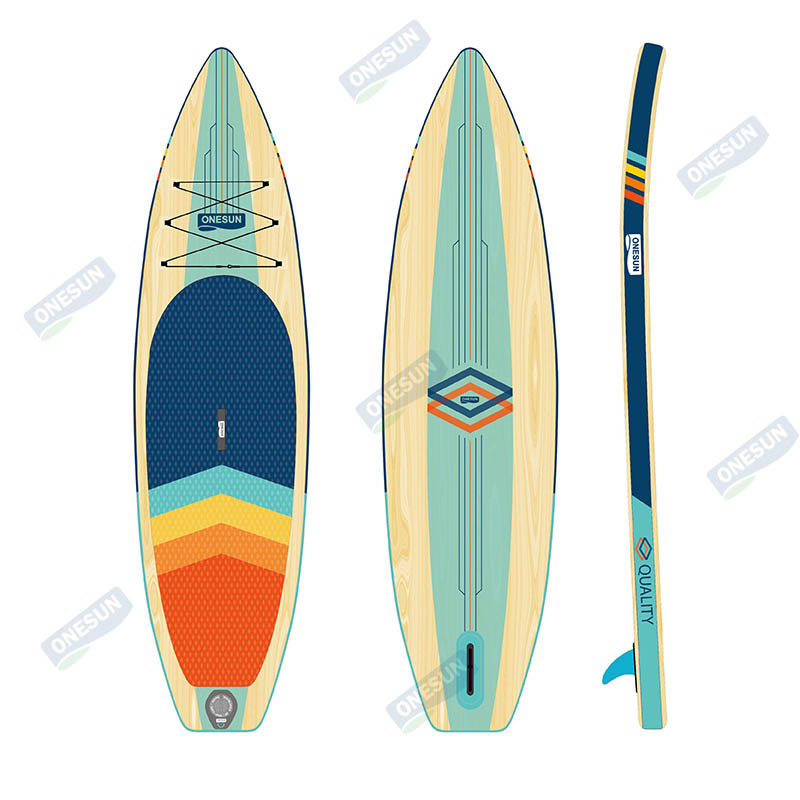
ONESUN All Around SUP Paddle Board with Drop Stitch and PVC construction.
What Does PSI Mean on an Inflatable SUP Board?
PSI stands for pounds per square inch. It is a measurement of air pressure and is commonly used for inflatable products such as paddle boards, kayaks, inflatable boats, and other water sports equipment.
On an inflatable SUP, PSI describes the pressure of the air inside the board after inflation. Unlike a traditional hard paddle board, an inflatable SUP relies on internal air pressure and its structural materials to create a firm platform.
The board's internal construction is especially important. Modern inflatable SUP boards commonly use a Drop Stitch core. Thousands of internal threads connect the upper and lower surfaces of the board. When the board is inflated, these threads help maintain the intended thickness and shape while the internal air pressure creates rigidity.
ONESUN's All Around SUP Paddle Board, for example, uses Drop Stitch + PVC construction. The product is designed as one of the company's classic inflatable SUP models and is intended for a broad range of recreational paddlers.
You can view more models through the ONESUN SUP Boards collection, which includes different inflatable paddle boards designed for recreational, fitness, racing, yoga, and other water sports applications.
What Is the Ideal PSI for an Inflatable SUP?
There is no universal ideal PSI for every inflatable SUP board. The correct pressure is the pressure specified by the manufacturer for the individual model.
Some inflatable SUP boards are designed to operate at relatively moderate pressures, while reinforced or specialized models may be engineered for higher pressures. The recommended PSI depends on the board's internal structure, PVC layers, drop stitch construction, dimensions, and overall design.
For this reason, paddlers should check the manufacturer's specifications before inflating a board. The recommended pressure may be printed near the inflation valve, included in the product instructions, or listed on the product specification page.
Quick answer: The ideal PSI for an inflatable SUP is the manufacturer's recommended operating pressure for that specific model. Do not assume that a higher PSI is always better, and never exceed the board's stated maximum pressure.
ONESUN provides a useful example of why buyers should look at individual product specifications. Its Small Inflatable Stand Up Paddle Board for Beginners uses Drop Stitch + PVC construction and is listed as capable of withstanding up to 30 PSI. This is a product-specific specification and should not be treated as a universal target for every inflatable SUP.
For buyers comparing different models, the important point is to distinguish between recommended operating pressure and maximum pressure. The maximum pressure represents a limit of the product's construction, while the recommended operating pressure is the range intended for normal use.
Why Does PSI Matter for Inflatable SUP Performance?
Air pressure influences how an inflatable paddle board behaves on the water. It is not the only factor that determines performance, but it plays an important role in maintaining the board's designed structure.
When an inflatable SUP reaches its recommended pressure, the board becomes firmer and is better able to maintain its intended shape. This can reduce excessive flex beneath the paddler and provide a more predictable platform for standing and paddling.
An underinflated board may bend more under body weight. When this happens, some paddlers may notice that the board feels softer or less responsive. The effect can become more noticeable when the user is heavier or when additional equipment is placed on the deck.
Correct inflation can therefore contribute to a more stable and comfortable paddling experience. However, PSI should not be considered separately from the board's width, length, thickness, shape, and construction.
For example, a wide all-around SUP may prioritize stability, while a longer performance-oriented board may prioritize glide and tracking. Both boards may have different structural requirements even if they use similar inflatable technology.
What Happens If an Inflatable SUP Is Underinflated?
An inflatable SUP that has not reached its recommended pressure may still float, but it may not perform as intended.
The most noticeable difference is usually increased flexibility. Instead of maintaining a firm platform, the board may bend more when the paddler stands on it. This can affect stability and make the board feel less responsive.
Underinflation can also change how the board moves through the water. When the structure flexes excessively, the board may not maintain its designed shape as effectively. This can make paddling feel less efficient, particularly during longer sessions.
It is therefore important to use a pump with a pressure gauge rather than judging pressure only by pressing the surface of the board with your hand.
A properly inflated board should feel firm according to the manufacturer's specification. If the board still feels unusually soft after reaching the recommended pressure, the user should check the valve and seams for possible air leakage.
Can You Overinflate an Inflatable SUP Board?
Yes. An inflatable SUP can be overinflated, and doing so can place unnecessary stress on its components.
When a board is inflated, internal air pressure pushes against the upper and lower surfaces, drop stitch structure, PVC layers, seams, and valve. These components are designed to work together within a specified pressure range.
Exceeding the manufacturer's pressure limit can increase stress on the construction and may increase the risk of damage. This is especially important when the board is exposed to high temperatures.
Temperature can affect internal air pressure. If an inflatable SUP is pumped in a relatively cool environment and then left under strong direct sunlight, the air inside the board can become warmer and expand. This can increase internal pressure.
For this reason, the maximum PSI should be treated as a limit rather than a number that users should intentionally exceed.
How Does Drop Stitch Technology Affect SUP Pressure?
Drop Stitch technology is one of the key structural technologies behind modern inflatable SUP boards.
Inside a Drop Stitch board, thousands of threads connect the upper and lower surfaces. When air is added, the threads help keep the board's surfaces at the intended distance from each other. This allows the inflatable board to become much firmer while still remaining portable when deflated.
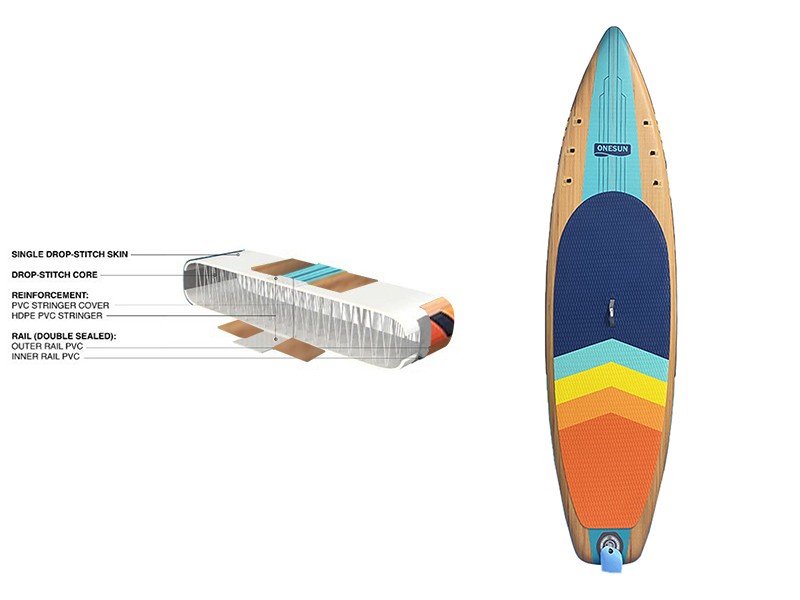
Drop Stitch core and reinforced PVC construction used in an ONESUN inflatable SUP design.
The construction image above shows how the internal Drop Stitch core works together with PVC reinforcement and the outer rail structure. This combination is important because board stiffness does not come from air pressure alone. The quality of the materials and manufacturing process also affects the final result.
ONESUN states that its inflatable SUP products use Drop Stitch and PVC materials, with production processes supported by automated equipment and manual quality inspection. Its All Around SUP Paddle Board is one example of this construction approach.
This is why a buyer should not compare inflatable SUP boards based only on PSI. Two boards may have different pressure ratings while both are properly designed for their intended use.
Does Higher PSI Always Mean a Better SUP Board?
No. A higher PSI rating does not automatically mean that an inflatable SUP is a better product.
Board performance depends on a combination of factors. The internal Drop Stitch construction, PVC material, board thickness, width, length, rail design, deck pad, weight capacity, valve, manufacturing quality, and intended application all matter.
For example, a recreational all-around board is designed around a different balance of characteristics than a racing SUP. A yoga board may require a wider and more stable platform, while a touring board may prioritize efficient tracking.
When comparing inflatable SUP products, buyers should therefore consider:
- Recommended operating pressure
- Maximum pressure rating
- Drop Stitch construction
- PVC material and reinforcement
- Board length, width, and thickness
- Weight capacity
- Valve and air-retention performance
- Seam and bonding quality
- Intended water sports application
- Quality control and manufacturing capability
This approach is particularly useful for distributors and brands sourcing inflatable SUP boards because the PSI specification is only one part of the overall product evaluation.
How Can You Check the PSI of an Inflatable SUP?
The most reliable way to check an inflatable SUP's pressure is to use an air pump with a pressure gauge.
First, place the deflated board on a clean and reasonably flat surface. Check the inflation valve before connecting the pump. Make sure the connection is secure so that air does not escape while pumping.
Begin inflating the board gradually. As the board becomes firmer, monitor the pressure gauge. Stop when the manufacturer's recommended pressure is reached.
Do not rely only on how the board feels when pressed by hand. Human judgment is not an accurate way to measure PSI, particularly when comparing boards made with different materials and construction methods.
ONESUN's inflatable SUP products can be supplied with accessories such as a hand pump, paddle, leash, repair kit, and carrying bag depending on the model. Optional accessories can include an electric pump and waterproof bag.
For users and buyers who need additional equipment, the ONESUN Accessories section includes SUP paddles, pumps, bags, leashes, and other equipment used with inflatable water sports products.
Does SUP Board Thickness Affect the Ideal PSI?
Board thickness can influence the structural behavior of an inflatable SUP, but thickness alone does not determine the correct PSI.
A thicker inflatable board has a larger distance between its upper and lower surfaces. When combined with a suitable Drop Stitch structure, this can help create a firm and stable platform.
However, two boards with similar thicknesses may have different recommended pressures because their Drop Stitch construction, PVC layers, reinforcement, seams, and intended applications can be different.
This is why users should always follow the pressure specification for the individual board instead of trying to calculate the ideal PSI from thickness alone.
For buyers, board thickness should therefore be considered alongside the other technical specifications. The goal is to understand how the complete construction works together rather than focusing on one number.
How Should Beginners Inflate an Inflatable SUP?
For beginners, inflating an inflatable SUP does not need to be complicated. A simple and consistent process can help prevent common mistakes.
- Place the board on a clean surface away from sharp objects.
- Check the valve before attaching the pump.
- Connect the pump securely to the inflation valve.
- Start pumping and allow the board to gradually take shape.
- Monitor the pressure gauge as the pressure increases.
- Stop when the manufacturer's recommended PSI is reached.
- Secure the valve before moving the board to the water.
- Check the board for unusual bulges or visible damage before use.
For regular users, checking the board before each session is a useful habit. If the board has been stored for a long time, inspect the valve and seams before inflation and check whether the pressure remains stable after inflation.
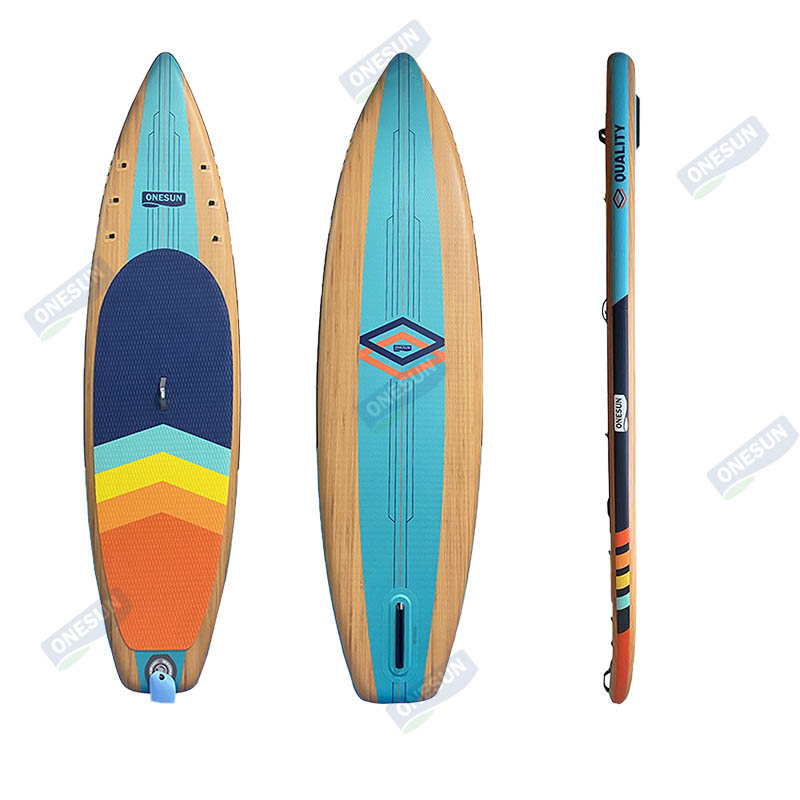
An ONESUN inflatable SUP board showing the overall board shape and construction.
Does PSI Affect Different Types of SUP Activities?
The importance of board stiffness can vary depending on the activity.
For casual paddling on calm lakes, an all-around inflatable SUP needs to provide a practical balance between stability, comfort, and maneuverability. Correct inflation helps the board maintain the shape it was designed to have.
For touring, users may spend longer periods on the water and carry additional equipment. A firm and properly inflated board can provide a more consistent platform during longer paddling sessions.
Yoga SUP boards have different requirements. A wider platform is generally preferred because it provides more space and stability for changing positions. ONESUN also offers inflatable SUP models designed specifically around yoga use.
For racing and performance-oriented paddling, stiffness can become particularly important because excessive flex may affect how efficiently paddling force is transferred through the board.
Regardless of the activity, the pressure should be based on the manufacturer's specification. Users should not increase PSI simply because they want a faster or stiffer board.
What Should Wholesale Buyers Check When Purchasing Inflatable SUP Boards?
For wholesale buyers, PSI is only one specification to evaluate when sourcing inflatable SUP boards.
A professional supplier should be able to provide clear information about the board's materials, Drop Stitch construction, PVC layers, dimensions, pressure range, weight capacity, accessories, quality inspection, packaging, and customization options.
Buyers should also consider whether the supplier can maintain consistent product quality across larger production quantities. A good sample is important, but stable production quality is equally important for wholesale orders.
ONESUN specializes in inflatable paddle boards and other outdoor sports products. The company states that it operates two production centers with a combined construction area of 98,300 square meters and uses production management and quality control systems to support its manufacturing operations.
For brands looking beyond a single SUP model, the ONESUN Products section covers SUP Boards, Kayaks, Inflatable Water Games, Inflatable Outdoor Products, Inflatable Gym Products, and Accessories.
For example, ONESUN's All Around SUP Paddle Board is listed with Drop Stitch + PVC material and accessories including a bag, three oars, leash, repair tube, and hand pump. The product page also provides additional information about its manufacturing and quality inspection process.
Frequently Asked Questions About Inflatable SUP PSI
What PSI should I use for an inflatable SUP?
Use the PSI recommended by the manufacturer for your specific inflatable SUP model. Different boards can have different pressure specifications.
Is 15 PSI enough for an inflatable SUP?
It may be suitable for some models, but it is not a universal recommendation. Check the pressure specification for your individual board before use.
Can I inflate my SUP to 20 PSI?
Only if the manufacturer specifies that 20 PSI is appropriate for the board. Never exceed the product's maximum rated pressure.
Does higher PSI make an inflatable SUP faster?
Higher pressure within the manufacturer's recommended range can contribute to board stiffness, but speed also depends on board shape, length, width, rider weight, water conditions, and paddling technique.
What happens if my inflatable SUP is underinflated?
An underinflated board may flex more, feel softer, and provide less predictable stability and handling on the water.
Can an inflatable SUP be overinflated?
Yes. Exceeding the manufacturer's maximum pressure can place unnecessary stress on the board's seams, valve, PVC layers, and internal structure.
Does Drop Stitch technology make an inflatable SUP more rigid?
Drop Stitch construction helps maintain the board's shape when inflated and contributes to the structural stiffness of the inflatable SUP.
How can I tell if my SUP is losing air?
If the board becomes noticeably softer after reaching the recommended pressure, inspect the inflation valve, seams, and surface for possible leakage or damage.
Should I leave an inflatable SUP fully inflated in direct sunlight?
It is better to avoid prolonged exposure to high temperatures and direct sunlight. Increased temperature can raise the internal air pressure.
What should I consider besides PSI when buying an inflatable SUP?
Consider the Drop Stitch construction, PVC material, dimensions, thickness, width, weight capacity, valve, seams, intended application, accessories, and overall manufacturing quality.
Final Takeaway: Choose the Right PSI, Not the Highest PSI
The ideal PSI for an inflatable SUP board is the pressure recommended by the manufacturer for that particular model. There is no universal pressure that is suitable for every inflatable paddle board.
Correct inflation helps an inflatable SUP maintain its intended shape and stiffness while providing a more consistent platform for paddling. At the same time, avoiding excessive pressure helps reduce unnecessary stress on the board's construction.
For consumers, the most important step is to use a pump with a pressure gauge and follow the manufacturer's specifications. For wholesale buyers, PSI should be considered alongside Drop Stitch technology, PVC materials, board dimensions, weight capacity, valve quality, accessories, and manufacturing standards.
ONESUN provides a range of inflatable SUP boards for different applications, including all-around paddling, yoga, racing, family activities, and other water sports. By understanding how PSI works and how it relates to the board's overall construction, buyers can make a more informed decision when selecting an inflatable SUP board.
Whether you are purchasing one board for recreational use or sourcing inflatable paddle boards for a brand or distribution business, the right approach is the same: follow the product's specified pressure, evaluate the complete construction, and choose a board designed for the way it will actually be used.




 IPv6 network supported