|
Type of Paddle Board
|
Thickness (inches)
|
Volume and Support
|
|
Inflatable
|
Over 6
|
More volume, supports heavier riders
|
|
Solid
|
4-6
|
Lighter, more efficient for long distances
|
Tip: If you plan to paddle with family or carry extra gear, an inflatable board’s higher volume and lighter weight can make your outings easier and safer.
Main Pros and Cons
When you compare inflatable paddle board vs solid, you must weigh the pros and cons for each type. Your priorities—portability, performance, durability, and user suitability—will guide your decision.
Inflatable Paddle Boards
Pros:
-
You can deflate and roll up inflatable paddle boards, packing them into a compact backpack. This feature makes them ideal for limited storage spaces and easy transport in cars, buses, or airplanes.
-
Inflatable paddle boards offer more volume, supporting heavier riders and providing extra stability. Beginners and families often prefer this option.
-
Advancements in materials and construction have improved durability. Lightly used inflatable boards can last over five years, and frequently used boards may last three to five years.
Cons:
-
You may notice less speed and glide compared to solid paddle boards. The thicker design creates more drag in the water.
-
Inflatable paddle boards require inflation and deflation before and after each use. This process adds time and effort to your paddling routine.
Solid Paddle Boards
Pros:
-
Solid paddle boards deliver superior performance. You experience better speed, glide, and maneuverability, especially during long-distance paddling or racing.
-
You do not need to inflate or deflate the board. You can simply grab your board and go, saving time and effort.
-
Solid paddle boards often feel more responsive underfoot, which appeals to advanced paddlers seeking precision.
Cons:
-
You must find enough storage space for solid paddle boards. Their size and weight make them difficult to transport, especially if you live in an apartment or travel frequently.
-
Solid boards can be heavier and harder to carry. You may need roof racks or specialized carriers for your vehicle.
Note: When you compare inflatable vs solid paddle boards, consider your lifestyle and paddling goals. If you value convenience and versatility, inflatable paddle boards may suit you best. If you prioritize performance and responsiveness, solid paddle boards offer clear advantages.
You can use this detailed comparison to evaluate the inflatable paddle board vs solid debate. The pros and cons highlight the strengths and weaknesses of each type, helping you make an informed choice.
Performance: Inflatable vs Hard Paddle Boards
Speed and Glide
When you compare inflatable vs hard paddle boards, you notice clear differences in speed and glide. Solid boards excel in these areas because their rigid construction reduces flex and drag. You will find that a hard paddle board moves faster and glides farther with each stroke. This advantage makes solid boards the top choice for racing and surfing, where every second counts. Inflatable paddle boards, while efficient for recreational use, tend to flex under pressure. This flex can slow you down and reduce overall performance. Even the best inflatable board, such as the Portager, is about 5-20% slower than a solid board. If you want maximum performance in surf or long-distance paddling, a solid board delivers the edge you need.
-
Solid boards offer superior speed and glide.
-
Inflatable paddle boards are typically slower and less responsive.
-
Rigid construction in solid boards improves efficiency for high-performance activities.
Stability and Handling
Stability and handling matter for every paddler, especially when you compare inflatable paddle boards vs hard paddle boards. You will see that inflatable paddle boards often provide more stability, especially for beginners and families. Their wider shape and thicker design help you balance easily. Proper inflation (15-20 PSI) ensures rigidity, but you must check pressure before each session. Solid boards, on the other hand, offer natural rigidity and precise handling. They cut through water with minimal resistance, which improves maneuverability.
|
Feature
|
Inflatable Paddle Boards
|
Solid Boards
|
|
Stability
|
Can be as stable or more stable depending on design
|
Generally stable but varies by model
|
|
Width
|
Wider options available for better stability
|
Varies, often narrower
|
|
Thickness
|
Typically 6 inches thick for high volume
|
Varies, often thinner
|
|
Rigidity
|
Requires proper inflation (15-20 PSI)
|
Naturally rigid
|
|
Fin Setup
|
Larger center fin or tri-fin setup improves stability
|
Standard fin setups
|
|
Comfort
|
Softer deck for comfort on knees and pets
|
Harder surface
|
You may also appreciate that inflatable boards dampen small waves, providing a smoother ride and extra comfort.
Best Activities for Each Type
Choosing between inflatable vs hard paddle boards depends on your favorite activities. If you want to race, surf, or paddle long distances, a solid board offers the best performance. You get greater speed, maneuverability, and glide. For yoga, fishing, or family outings, inflatable paddle boards shine. Their wider decks and softer surfaces provide stability and comfort. Many inflatable boards feature non-slip surfaces and attachment points for gear, making them ideal for exercise and recreation.
Tip: Select a flat-nose inflatable paddle board for yoga or fishing. Choose a pointed-nose hard paddle board for touring or racing to maximize performance.
You can match your board to your goals and enjoy the best experience on the water, whether you value performance in surf or stability for group activities.
Portability and Storage of Inflatable SUPs
Transport and Travel
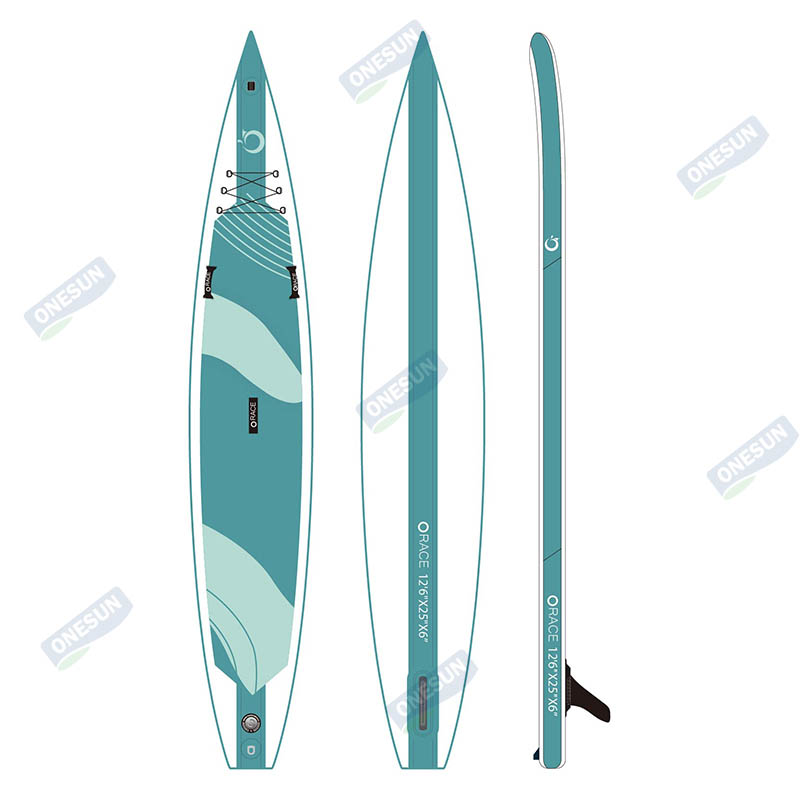
You will appreciate the portability of an inflatable sup if you travel often or have an active lifestyle. Inflatable paddle boards weigh less than solid boards, which makes them easy to carry to and from the water. You can pack an inflatable sup into a compact backpack, allowing you to check it as luggage on flights or fit it in the trunk of a small car. This flexibility means you can explore new waterways without worrying about complicated logistics.
-
You can carry an inflatable sup on public transportation or even a bicycle.
-
Inflatable paddle boards are lightweight and easy to pack for air travel.
-
You can secure an inflatable sup with strong straps if you choose to transport it on a vehicle roof.
-
Solid boards require more space and careful handling, often needing a truck bed or roof rack.
You will find that inflatable sup models are easy to store and transport, making them a top choice for adventurers and travelers.
Storage Needs
You do not need a garage or large storage area for an inflatable sup. After your session, you can deflate the board and roll it into a duffel bag or backpack. This compact size allows you to store your inflatable sup behind furniture, in a closet, or even under a bed. You can keep your gear out of sight and free up valuable living space.
-
Inflatable sup boards can be packed down to the size of a large duffel bag.
-
You can store your inflatable sup in small spaces like closets or corners.
-
Solid boards require ample storage space and are typically mounted on wall racks or stored in garages.
-
Inflatable paddle boards offer compact storage options, making them ideal for apartments or homes with limited space.
If you live in a small apartment or have limited storage, you will benefit from the easy to store and transport design of an inflatable sup. You can enjoy paddleboarding without sacrificing space or convenience.
Durability and Maintenance: Inflatable Paddle Boards vs Solid
Impact Resistance
You need to consider how your board handles bumps, drops, and rough conditions. Inflatable paddle boards offer impressive impact resistance. The air-filled design absorbs shocks, so you can bounce off rocks or debris without major damage. This feature stands out as one of the pros for beginners and families. You will notice that a hard board reacts differently. When you hit a rock or drop your board, the hard board can crack or chip. These cons make a hard board less forgiving in unpredictable environments. If you paddle in rivers or rocky lakes, inflatable paddle boards give you peace of mind.
Longevity and Repairs
You want your board to last as long as possible. Longevity depends on quality and care. High-quality inflatable paddle boards can last 7–10 years with proper maintenance. Budget models may only last 2–3 years. A hard board usually lasts longer, but it is more prone to damage from impacts. You must weigh the pros and cons of each type when considering repairs.
-
High-quality inflatable paddle boards can last 7–10 years.
-
Budget inflatable paddle boards may last only 2–3 years.
-
A hard board often lasts longer but is more vulnerable to cracks and dings.
Repairing your board requires different skills. You need special glue for punctures in inflatable paddle boards. Repairs can be tricky and take time. A hard board allows easier fixes for surface dings, but cracks need resin and careful attention. The table below shows how repair and maintenance compare:
|
Type of Board
|
Repair Complexity
|
Maintenance Notes
|
|
Inflatable paddle boards
|
Requires specific techniques for punctures
|
Difficult to repair; requires vinyl repair glue
|
|
Hard board
|
Easier to repair with superficial fixes
|
Compression dings are superficial; resin for cracks
|
Tip: You can extend the longevity of both types by rinsing after use, storing out of direct sunlight, and checking for damage regularly.
You must decide which board fits your lifestyle and repair skills. The pros and cons of each option help you make a smart choice for durability and maintenance.
Price and Value of Solid Paddle Boards and Inflatables
Upfront Cost
When you shop for the best sup, you will notice a clear difference in upfront cost between inflatable paddle boards and solid paddle boards. Most inflatable paddle boards cost less than solid paddle boards. The materials and construction methods for solid paddle boards, such as fiberglass and epoxy, drive up their price. You also need to consider the extra storage requirements and the risk of damage, which can add to your expenses over time.
Here is a quick look at typical price ranges for the best sup options:
-
Mid-range boards: $700–$1,100
-
High-end boards: $900–$2,000+
Solid paddle boards often sit at the higher end of this range. You pay more for advanced performance and premium materials. Inflatable paddle boards usually offer a more affordable entry point, making them attractive if you want the best sup experience without a large initial investment.
Note: Solid paddle boards may require additional gear, such as roof racks or storage solutions, which increases your total cost.
Long-Term Value
You want to know how your investment in the best sup holds up over time. Solid paddle boards tend to retain value better than inflatable paddle boards, especially if you choose a rigid composite model. The resale market for solid paddle boards remains strong, with lower depreciation rates compared to inflatables. Premium inflatable paddle boards still offer good value, but budget models lose value quickly.
The table below compares long-term value for the best sup choices:
|
Board Type
|
Original Price Range
|
Avg. Resale Value (2-Yr Old)
|
Depreciation Rate
|
|
Rigid Composite
|
$800–$1,800
|
$500–$1,200
|
30–40%
|
|
Premium Inflatable (iSUP)
|
$900–$1,500
|
$550–$900
|
40–50%
|
|
Budget Inflatable
|
$300–$600
|
$120–$250
|
50–60%
|
If you plan to upgrade your best sup in the future, solid paddle boards offer a better return on your investment. However, inflatable paddle boards still provide excellent value if you prioritize portability and convenience.
Who Should Choose Inflatable or Solid Paddle Boards?
Beginners and Casual Users
If you are new to paddleboarding or enjoy occasional outings, you want a board that offers stability, safety, and convenience. Inflatable paddle boards stand out as the best type of paddle board for beginners. You benefit from their lightweight design, which makes carrying and launching easy. You can deflate and store them in small spaces, so you avoid the hassle of finding room for a large solid board. Many models feature wider, high-volume shapes that help you balance and feel secure on the water. Look for boards with strong construction, a soft deck, and secure bungees. These features enhance safety and comfort, especially if you plan to paddle with kids or pets.
-
Portable and easy to carry
-
Simple storage in apartments or cars
-
Enhanced stability and safety features
Travelers and Apartment Dwellers
You may travel often or live in a small apartment. Inflatable paddle boards fit your lifestyle perfectly. You can pack them into compact bags and store them in closets or car trunks. Many packages include wheeled bags and electric pumps, so you set up quickly and move easily through airports or public transport. Solid boards require more space and special racks, which can be a challenge in tight living situations.
Tip: Choose an inflatable paddle board if you want to explore new locations without worrying about storage or transport logistics.
Performance Seekers and Advanced Paddlers
If you demand top performance, solid paddle boards deliver the edge you need. You experience better speed, tracking, and maneuverability due to advanced design elements.
|
Design Element
|
Impact on Performance
|
|
Pointed Hull
|
Increases speed and tracking for long-distance paddling
|
|
Pin Tail
|
Improves control in choppy water
|
|
Narrow Tail
|
Allows sharp turns and quick pivots
|
|
Carbon Fiber Material
|
Reduces weight, increases stiffness
|
You should select a solid board if you race, surf, or paddle long distances. The rigid construction and specialized shapes give you a responsive ride and precise control.
Families and Recreational Use
You want a board that supports group outings and fun activities. Inflatable paddle boards offer features that make family adventures safe and enjoyable. Many models include long deck pads for comfort, dual paddle holders, and extra space for gear or additional riders. You can convert some boards for kayak use or add a snap-in race fin for better tracking. Durability ensures your board withstands frequent use and various water conditions. An electric pump makes setup quick, so you spend more time on the water.
-
Comfortable deck for kids and pets
-
Maximum stability for beginners
-
Versatile options for different activities
You can choose the right board by matching your needs to these user profiles. Whether you seek convenience, performance, or family fun, there is a paddle board designed for you.
Common Myths About Inflatable Paddle Boards
Are Inflatables Flimsy?
You may hear that inflatable paddle boards lack durability. This myth persists, but modern manufacturing techniques have changed the landscape. Manufacturers use military-grade PVC to construct high-quality boards. These materials withstand impacts from rocks and obstacles, making them tough and reliable. Dual-layered boards feature multiple layers of fabric and plastic, which increases resistance to damage. You can paddle confidently in rocky environments, knowing your board protects against rips and punctures.
-
Military-grade PVC enhances toughness.
-
Dual-layered construction increases resistance to damage.
-
Designed to withstand harsh waves and rocky conditions.
Note: You can trust inflatable paddle boards to deliver strength and durability, especially when you select premium models.
Is Performance Always Better with Solid Boards?
You might believe that solid boards always outperform inflatables. Solid boards do offer advantages in speed, maneuverability, and stability, especially in challenging water conditions. Their rigid structure responds quickly and provides enhanced control. However, inflatable paddle boards excel in user-friendliness and stability for beginners. Many paddlers prefer inflatables for recreational use and group activities. Performance depends on your skill level and the environment. Solid boards shine in racing and surf, but inflatables provide a stable platform for yoga, fishing, and family outings.
Tip: Choose your board based on your goals and experience. Both types offer unique benefits.
Are Inflatables More Expensive?
You may worry about the cost of inflatable paddle boards compared to solid boards. Entry-level inflatables typically cost less than solid boards. Premium inflatable models feature advanced materials and technology, but still remain more affordable than high-end solid boards. The table below shows how prices compare:
|
Type
|
Entry-Level Price
|
Premium Price
|
Key Features at Higher Tiers
|
|
Inflatable SUP
|
$300–$600
|
$800–$1,500+
|
Drop-stitch cores, dual-layer PVC, smart pumps
|
|
Solid SUP
|
$800–$1,500
|
$2,000–$4,000+
|
Carbon fiber, ultralight EPS, race designs
|
You can find a board that fits your budget and needs. Inflatable paddle boards offer value and accessibility, making them a smart choice for many paddlers.
Callout: You gain affordability and convenience without sacrificing safety or quality.
How to Decide: Inflatable Paddle Board or Solid?
Key Questions to Ask
You want to make the best decision for your paddling experience. Start by asking yourself a few essential questions:
-
How often will you transport your board?
-
Is storage space a concern for you?
-
Do you need a board that is easy to carry on public transport?
-
What activities do you plan to enjoy—yoga, fishing, touring, or racing?
-
Will you paddle alone, with family, or with pets?
-
What is your skill level—beginner, intermediate, or advanced?
These questions help you clarify your priorities and narrow down your options. If you value convenience and flexibility, inflatable paddle boards may fit your lifestyle. If you seek top performance and speed, a solid board could be the right choice.
Tip: Write down your answers to these questions before shopping. This step will guide you toward the best fit for your needs.
Matching Board Type to Your Needs
You can use the following table to compare the main features of each board type:
|
Feature
|
Inflatable Paddle Board
|
Solid Paddle Board
|
|
Performance
|
Good stability, ideal for yoga and fishing
|
Superior speed and maneuverability
|
|
Durability
|
Military-grade PVC, highly durable
|
More fragile, prone to dings and damage
|
|
Portability
|
Highly portable, easy to transport
|
Less portable, needs more storage space
|
When considering how to choose the right paddle board, match your answers to the features above. For example, if you live in an apartment or travel often, inflatable paddle boards offer lightweight convenience and easy storage. If you want to race or surf, a solid board provides the performance edge you need.
For most recreational paddlers, my recommendation is to start with an inflatable model. You gain versatility, durability, and stress-free transport. Advanced paddlers or those with dedicated storage may prefer the precision of a solid board.
Remember: The best board is the one that fits your lifestyle, skill level, and paddling goals.
You face a choice: which is better inflatable or solid paddle board? The answer depends on your unique needs. Review the table below to see how priorities shape your decision:
|
Paddle Board Style
|
Pros
|
Cons
|
|
Inflatable
|
Compact, portable, affordable, durable, soft surface
|
Less efficient to paddle
|
|
Solid
|
Top performance, efficient paddling
|
Needs more storage, harder to transport
|
Both inflatable paddle boards and solid boards can deliver a great experience. Modern inflatables offer impressive stability and durability, while solid boards excel in speed and control. Consider your goals, try both if possible, or consult a local expert. You can enjoy paddling with either option when you match your board to your lifestyle.
-
Modern inflatables match stability for most uses.
-
High-quality construction ensures a great paddling experience.
-
All-around SUPs suit both beginners and advanced paddlers.




 IPv6 network supported