
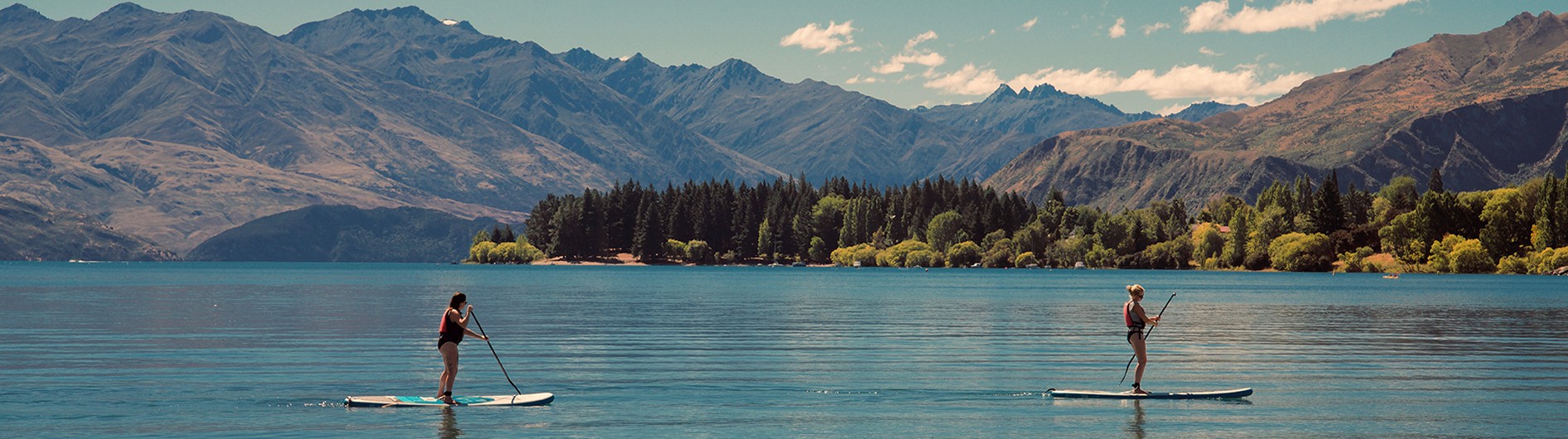
Choosing between inflatable and hard stand up paddle boards really depends on your lifestyle and what you want from your time on the water. If you value easy transport and storage, or plan to use your sup for yoga, fishing, or casual touring, you might love inflatables—over 60% of paddleboard users do, especially for allround and flatwater fun. Hard boards shine when you want speed and top performance, making them the best sup for racing and surfing. Think about your skill level, favorite activities, and where you’ll keep your board. The right choice will help you get the most out of every paddle.
Key Takeaways
-
Inflatable paddle boards are ideal for beginners and casual users. They offer stability, easy transport, and versatility for activities like yoga and fishing.
-
Hard paddle boards excel in performance and speed. They are best for racing and surfing, providing better glide and responsiveness in challenging conditions.
-
Consider your storage space before choosing a board. Inflatable boards are compact and easy to store, while hard boards require more space and careful handling.
-
Evaluate your budget. Inflatable boards generally cost less and offer good value for beginners, while hard boards may require a higher investment for advanced performance.
-
Match your board choice to your activities. Inflatable boards suit casual paddling, while hard boards are better for competitive sports and experienced paddlers.
Inflatable vs Hard Paddle Boards Overview
Key Differences Table
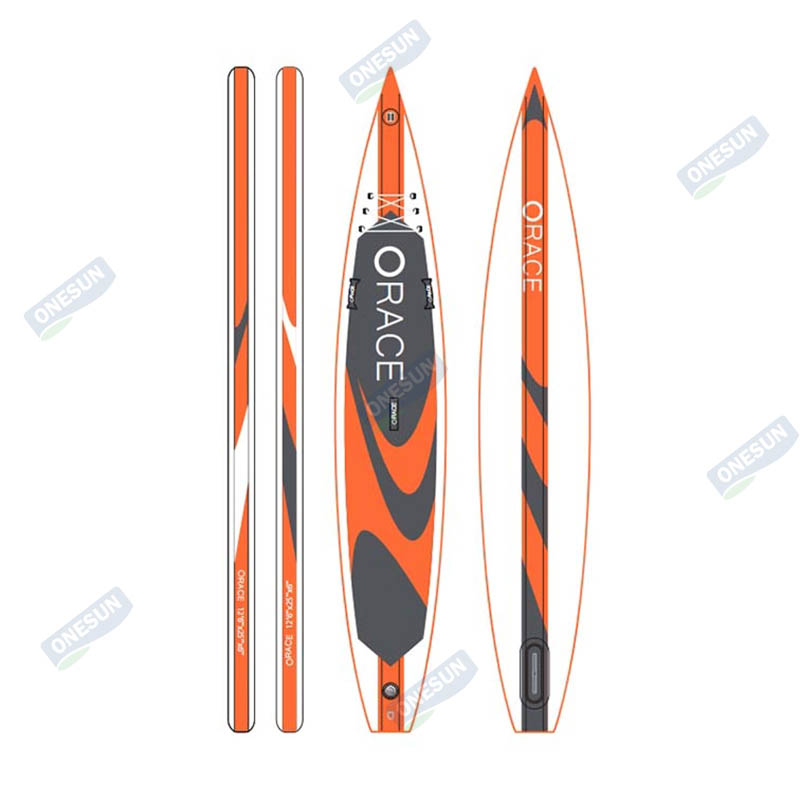
You probably wonder how inflatable vs hard paddle boards stack up against each other. Here’s a quick table that shows the main differences in stability, performance, durability, portability, and versatility:
|
Feature |
Inflatable Paddle Boards |
Hard Paddle Boards |
|---|---|---|
|
Stability |
High, especially for beginners and yoga |
Good, but depends on shape and skill |
|
Performance |
Decent for casual use, less responsive in rough water |
Excellent speed and glide, great for racing and surfing |
|
Durability |
Tough against drops and bumps, but can puncture or suffer seam issues |
Lasts longer, but prone to dings and cracks |
|
Portability |
Easy to transport and store, fits in a backpack |
Needs roof racks or large storage space |
|
Versatility |
Works well for yoga, fishing, touring, and allround fun |
Best for performance activities like racing and surfing |
Pros and Cons Summary
When you compare inflatable vs hard paddle boards, you see each type has its own pros and cons. Let’s break it down so you can decide which fits your needs.
-
Inflatable paddle boards (isup, inflatable sup, inflatable sups) give you easy transport and storage. You can toss them in your trunk or carry them on a plane. The soft surface feels safer if you fall, and they handle blunt impacts well. You need to inflate them before use, though, and they might not perform as well in rough conditions. Uniform thickness means less shape optimization, but you get more stability for yoga or fishing.
-
Hard paddle boards offer top performance. You get instant setup—just grab your sup and go. Hard boards glide faster and respond better, especially in racing or surfing. They last longer, but you need to watch out for dings and cracks. Storage can be tricky, since you need space and careful handling.
Tip: If you want a board for travel or rocky spots, inflatable paddle boards make life easier. If you crave speed and precision, hard boards win.
You can see that the pros and cons depend on your priorities. Think about how you plan to use your stand up paddle boards, and match the board to your activity and skill level.
Performance and Stability
Hard Paddle Boards: Speed and Glide
If you crave speed and a smooth ride, you’ll notice hard paddle boards stand out. These boards cut through the water with less resistance, so you can glide farther with each stroke. You get sharper turns and better maneuverability, which makes a huge difference when you want to race or surf. Hard boards feel more responsive under your feet, so you can react quickly to changing conditions.
Here’s a quick look at how hard paddle boards compare to inflatables in key performance areas:
|
Performance Metric |
Hard Paddle Boards |
Inflatable Paddle Boards |
|---|---|---|
|
Maneuverability |
Superior |
Moderate |
|
Speed |
Faster |
Slower |
|
Control |
Better |
Less effective |
|
Stability |
Moderate |
Higher |
|
Wind Handling |
Better |
Poorer |
You’ll see hard boards shine in racing. They move about 0.5 mph faster than inflatables, thanks to their thinner shape and stiffer build. That speed boost matters when you want to win a race or catch a wave. Hard paddle boards also offer better performance in windy conditions, so you stay in control even when the weather changes.
Inflatable Paddle Boards: Versatility and Comfort
Inflatable paddle boards bring a different kind of advantage. You get more stability, especially if you’re just starting out or want to try activities like yoga or fishing. The wider deck and softer surface make it easier to balance and more comfortable for long sessions. If you fall, you land on a forgiving platform, not a hard shell.
Let’s see what makes inflatable paddle boards so versatile for different activities:
|
Feature |
Application for Activities |
|---|---|
|
Stability |
Essential for yoga poses |
|
Wider deck |
Provides balance for yoga |
|
Non-slip surface |
Enhances grip during yoga |
|
Attachment points |
Useful for fishing gear |
|
Removable fins |
Adaptable for various waters |
You’ll love how inflatable paddle boards (or isup and inflatable sups) adapt to your needs. Removable fins let you change your setup for calm lakes or choppy rivers. Extra attachment points mean you can bring fishing gear or a cooler. The comfort level is higher, too. You can paddle for hours without sore feet or knees.
Tip: If you want a board for yoga, fishing, or just relaxing on the water, an inflatable stand up paddle board gives you the stability and comfort you need.
Activity Suitability: Racing, Surfing, Yoga, Fishing
Choosing the right board depends on what you want to do. Here’s a quick guide to help you match your activity with the best board type:
-
Racing: Go with a hard board. You’ll get better performance, faster speeds, and a more responsive feel. Hard boards are built for competition.
-
Surfing: Pick a hard paddle board for sharper turns and better control in waves. You’ll notice the difference right away.
-
Yoga: Inflatable paddle boards or isup models work best. The wide, stable deck and soft surface help you hold poses without wobbling.
-
Fishing: Inflatable boards give you more space and stability. You can attach gear, move around, and even stand for hours without losing balance.
If you’re a beginner, you’ll find inflatable boards easier to learn on. They offer more stability and a softer landing if you fall. As you gain experience, you might want to try a hard board for better performance in dynamic conditions.
No matter your skill level, stand up paddle boards offer something for everyone. You just need to match the board to your favorite activity and enjoy your time on the water.
Portability and Storage
Inflatable Paddle Boards: Easy Transport
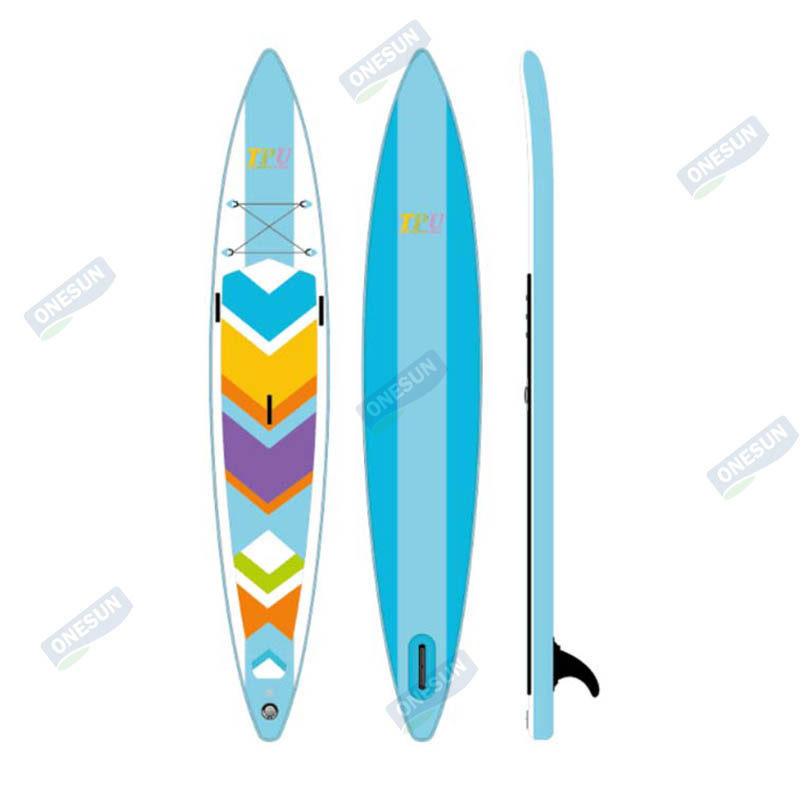
You want to get on the water without a hassle. Inflatable paddle boards make that possible. You can roll up your isup, put it in a backpack, and carry it almost anywhere. The lightweight design means you can walk to the beach, hop on a bus, or toss your board in your car trunk. If you live in an apartment or have limited space, you will love how inflatable paddle boards fit in a closet or under your bed. You do not need a garage or a big storage rack. This makes inflatable boards a top choice for city life or anyone who values portability.
Tip: If you travel often or want to explore new spots, an isup lets you bring your adventure gear on a plane or train with no stress.
Hard Board: Storage Challenges
Hard boards give you great performance, but they need more care when it comes to storage. You cannot fold or deflate a hard sup. You need a wall rack, a shed, or a garage to keep it safe. If you live in a city, finding space for a hard board can be tough. Outdoor storage works, but you must protect your board from sun and weather. Carrying a hard board also takes more effort. You need roof racks or a truck for transport. If you want to paddle on a whim, you might find setup and storage a bit more challenging.
Travel Considerations
Traveling with your paddle board? Inflatable boards make it easy. You can check your isup as luggage or even carry it on some flights. No need to worry about extra fees or damage during transport. Hard boards, on the other hand, require special bags and careful handling. Airlines may charge more, and there is always a risk of dings or cracks. If you want to paddle in new places, inflatable paddle boards offer the best mix of stability, convenience, and adventure.
Note: Inflatable paddle boards help you stay spontaneous. You can grab your gear, head out, and store everything in minutes.
Durability and Maintenance
Inflatable Paddle Boards: Toughness and Repairs
You might think inflatable paddle boards are fragile, but they actually surprise you with their toughness. Most inflatable paddle boards use military-grade PVC and drop-stitch construction. This design helps them resist dings, drops, and scrapes that would damage a hard board. If you paddle near rocks or launch from rough shorelines, you will appreciate this durability. When a puncture happens, you can patch it yourself with a repair kit—no need for a workshop. Most repairs take just a few minutes, so you get back on the water fast.
Here’s a quick look at how inflatable and hard boards compare for repairs and durability:
|
Board Type |
Material / Construction |
Durability / Repair Implication |
|---|---|---|
|
Inflatable |
Multi-layer military-grade PVC, AIR RIDE woven drop-stitch |
High abrasion resistance; field-patchable for punctures |
|
Hardboard |
Foam core + fiberglass/carbon laminate |
Vulnerable to dings and delamination; workshop repairs often required |
A good quality inflatable board can last 5 to 10 years with proper care. Some high-end models even reach 12 years or more. Cheaper inflatables may wear out faster, especially if you leave them in the sun or skip maintenance.
Hard Paddle Boards: Care and Longevity
Hard paddle boards offer a longer lifespan if you treat them well. You can expect a hard board to last 8 to 10 years under normal use. These boards glide beautifully, but they do not like sharp impacts. A drop on concrete or a hit from a rock can cause dings or cracks. Repairs often need sanding and resin work, so you may need to visit a shop. If you want your sup to last, rinse it after every session and store it out of the sun.
Here’s a quick table showing the typical lifespan for both types:
|
Type of Paddle Board |
Typical Lifespan |
|---|---|
|
Inflatable Paddle Boards |
5–7 years |
|
Hard Paddle Boards |
8–10 years |
Tip: Regular cleaning and careful storage help both inflatable and hard boards last longer.
Air Pressure and Temperature Effects
You need to watch air pressure and temperature with inflatable boards. Hot weather can cause the air inside your isup to expand, which puts stress on seams. Cold weather can make your board feel softer and less stable. Always check the recommended PSI before you paddle. Let out a little air if you leave your isup in the sun. Hard boards do not have this issue, but they can still warp or crack if left in extreme heat or cold.
If you want a board that handles bumps and drops, inflatable paddle boards give you peace of mind. If you prefer a board with a longer lifespan and do not mind extra care, a hard board might suit you better. Either way, a little maintenance goes a long way.
Price and Value
Cost Comparison: Inflatable vs Hard Paddle Boards
You probably want to know how much you’ll spend on a paddle board. Let’s break it down. Inflatable boards usually cost less than hard paddle boards, especially if you’re shopping for your first sup. Here’s a quick table to help you compare prices in 2024:
|
Price Tier |
Inflatable Paddle Board (iSUP) |
Hard Paddle Board (Solid) |
|---|---|---|
|
Budget |
$200–$400 |
$300–$700 |
|
Mid-Range |
$400–$800 |
$700–$1,200 |
|
Premium |
$800–$1,500+ |
$1,200–$2,500 |
|
Specialty |
$1,500+ |
$1,500+ |
Inflatable boards give you more options at lower price points. Hard boards cost more, especially if you want top performance or specialty features.
Budget-Friendly Choices
If you’re looking for a great deal, you’ll find plenty of budget-friendly inflatable models. These boards offer solid performance without breaking the bank. Check out some popular choices:
|
Model |
Dimensions |
Key Features |
Bottom Line |
|---|---|---|---|
|
Atoll 11’ |
11’ x 32” x 6” |
Lightweight, customizable for many activities |
Balanced performance for all-around use |
|
Retrospec Weekender Plus |
10’6” x 33” x 6” |
Stable, hybrid kayak kit, ergonomic seat |
Cruiser and kayak combo at a great price |
|
Retrospec Weekender Tour |
11’6” x 32” x 6” |
Rigid PVC, triple fin setup for agility and distance |
All-around board with strong performance |
|
Bote Breeze Aero |
11’6” x 34” x 6” |
High-quality accessories, mounting options |
Affordable with extra features |
You get a lot for your money with these isup models. They work well for beginners and casual paddlers. Hard paddle boards at the lowest price often sacrifice durability and safety. Boards under $300 use thin materials that flex and wear out quickly.
-
Low-priced hard boards may compromise on:
-
Safety and durability
-
Material thickness
-
Long-term performance
-
Long-Term Value
You want your sup to last. Inflatable boards offer good value if you care for them. You can patch them easily and store them anywhere. Hard boards last longer if you avoid dings and cracks. You pay more up front, but you get better glide and speed. If you plan to paddle often or want top performance, investing in a quality hard board makes sense. For most people, an inflatable board gives you the best mix of price, convenience, and versatility.
Tip: Think about how often you’ll paddle and where you’ll store your board. Choose the option that fits your budget and your lifestyle.
Skill Level and Use Cases
Beginners: Inflatable Paddle Boards
If you’re just starting out, you want a board that helps you feel confident and steady. Most certified paddle board instructors suggest you choose inflatable paddle boards with a wider shape. These boards give you the stability you need to learn quickly and enjoy your first sessions. You’ll find it easier to balance, and the soft surface feels safer if you fall. Working with an instructor can help you master the basics even faster.
-
Wider boards offer better stability and comfort.
-
Stability helps you build confidence as a beginner.
-
Learning with a certified instructor shortens your learning curve.
Inflatable paddle boards also make it simple to try different activities. You can use your isup for yoga, fishing, or just cruising around. Many beginners love how easy it is to transport and store an inflatable.
Advanced Users: Hard Board
If you have more experience or want to compete, you might prefer a hard board. These boards glide faster and track straighter, which gives you an edge in racing or surfing. Advanced paddlers often choose fiberglass or epoxy models for their superior performance.
|
Advantage |
Description |
|---|---|
|
Superior Performance |
Hard boards glide faster and track straighter, perfect for competitive use. |
You’ll notice the difference in speed and control right away. A hard sup responds quickly to your movements, making it ideal for challenging conditions.
Matching Board to Activity
Choosing the right board means thinking about what you want to do and your skill level. Here’s how you can match your board to your favorite activities:
-
Consider the type of paddling—surfing, racing, or cruising—to narrow down your choice.
-
Shorter boards turn easily, while longer boards glide better for distance.
-
Wider boards are safer for beginners and activities like yoga or fishing.
-
Your height and weight affect which board will float best.
-
Environmental conditions, like waves or calm water, also matter.
|
Use Case |
Description |
|---|---|
|
Yoga |
Inflatable boards are great for SUP yoga because they’re stable. |
|
Fishing |
They give you a steady platform for casting and moving around. |
|
Touring |
Perfect for day trips and exploring new waterways. |
|
Surfing |
Some inflatable models work for surfing, but hard boards excel here. |
Tip: If you want comfort and versatility, go with an inflatable. If you crave speed and precision, a hard board is your best bet.
Recommendations: Which Should You Choose?
You want the best sup for your adventures, but the right choice depends on your needs and priorities. Let’s break it down so you can make a confident decision.
Choose Inflatable Paddle Boards If...
You value flexibility and convenience. Inflatable paddle boards fit your lifestyle if you need easy transport, compact storage, or want to try a variety of activities. You can deflate your isup, roll it up, and carry it in a backpack. This makes travel simple, whether you’re heading to a local lake or flying across the country. You don’t need a garage or wall rack—just a closet or corner will do.
Here’s a quick look at who benefits most from inflatable paddle boards:
|
User Profile |
Advantages of Inflatable Paddle Boards |
|---|---|
|
Limited Storage Space |
Easy to store and transport, ideal for those with space constraints. |
|
Travelers |
Convenient for travel, as they can be deflated and packed easily. |
|
SUP Yoga |
Softer feel provides comfort for various poses during yoga sessions. |
|
Whitewater Paddlers |
Better maneuverability and capability to bounce off obstacles in the water. |
You love inflatable boards if you want to paddleboard in different locations. You can take your inflatable sup on a plane, bus, or car without hassle. The soft surface feels comfortable for yoga or fishing. If you paddle in rocky rivers, your isup bounces off obstacles instead of cracking.
Tip: If you live in a small apartment, travel often, or want to try yoga and fishing, inflatable paddle boards make your life easier.
When you compare travel factors, inflatable paddle boards stand out for portability and storage:
|
Factor |
Inflatable Paddle Boards |
Hard Paddle Boards |
|---|---|---|
|
Portability |
Lightweight and compact when deflated, easy to transport by various means. |
Cumbersome to transport due to fixed size, may require a roof rack. |
|
Storage |
Deflates for compact storage, ideal for limited space. |
Requires ample storage space, often needs wall mounts or racks. |
|
Durability |
Generally resistant to punctures, but can be damaged by sharp objects. |
High durability against bumps, but heavier and susceptible to damage from sharp objects. |
You get versatility with inflatable paddle boards. You can use your isup for yoga, fishing, touring, or whitewater paddling. If you want a board that adapts to your changing interests, this is the recommendation for you.
Choose Hard Paddle Boards If...
You crave performance and speed. Hard paddle boards give you the edge when you want to race, surf, or paddle long distances. You feel the difference in glide and responsiveness. If you have space for storage and don’t mind transporting a larger board, you’ll enjoy the benefits of a hard sup.
Here’s when you should choose a hard paddle board:
-
You want the best sup for racing or surfing.
-
You have a garage, shed, or wall rack for storage.
-
You prefer instant setup—just grab your board and go.
-
You value speed, precision, and top performance.
Hard paddle boards work well for advanced paddlers. You get superior tracking and control. If you paddle in windy conditions or rough water, you’ll notice the stability and power. You don’t need to inflate or deflate your board, so you spend more time on the water.
Note: If you compete, surf, or paddle long distances, hard paddle boards deliver the performance you need.
You should also consider your skill level. If you’re experienced and want to push your limits, a hard paddle board gives you the tools to excel. You get a board that lasts longer and handles challenging conditions.
Quick Checklist:
-
Do you have space for storage?
-
Do you want speed and precision?
-
Are you focused on racing, surfing, or performance paddling?
If you answered yes, a hard paddle board is your best sup.
Final Recommendation
Think about your priorities. If you want convenience, versatility, and easy storage, inflatable paddle boards fit your needs. If you want speed, control, and top performance, hard paddle boards are the way to go. You can enjoy stand up paddle boards no matter which option you choose. Match your board to your lifestyle and favorite activities, and you’ll get the most out of every paddle.
You have plenty of options when choosing a paddle board. Take a look at the main differences:
|
Feature |
Inflatable Paddle Boards |
Hard Paddle Boards |
|---|---|---|
|
Portability |
Easy to carry and store |
Needs more space |
|
Durability |
Tough against drops, can puncture |
Lasts longer with care |
|
Performance |
Stable, less agile |
Fast, responsive |
|
Cost |
Lower upfront cost |
Higher upfront cost |
Both types bring unique benefits. Think about what matters most—performance, portability, durability, price, or skill level. You can feel confident in your choice and enjoy every adventure on the water!
FAQ
What is the main difference between inflatable and hard paddle boards?
You notice inflatable boards are easier to carry and store. Hard boards give you more speed and control. Your choice depends on how you plan to use your paddle board.
Can I use an inflatable paddle board for surfing?
You can surf with an inflatable paddle board, but you get better performance with a hard board. Inflatable boards work well for small waves and casual surfing.
How long does it take to inflate an inflatable paddle board?
You usually need about 5 to 10 minutes to inflate your board with a manual pump. Electric pumps make the process faster and easier.
Are inflatable paddle boards safe for beginners?
You feel safe on an inflatable paddle board. The wide deck and soft surface help you balance and reduce the risk of injury if you fall.
Can I travel with my paddle board?
You can travel easily with an inflatable paddle board. It fits in a backpack and goes on planes or buses. Hard boards require special bags and careful handling.


 IPv6 network supported