If you want to get into water sports, an inflatable paddle board makes a smart choice for beginners. You see these boards everywhere now because they’re easy to carry, set up, and store. People love them for their versatility and how they fit into busy, urban lifestyles. The market keeps growing as more folks discover how simple it is to paddle, practice yoga, or just relax on the water.
Key Takeaways
-
Inflatable paddle boards are perfect for beginners due to their lightweight and portable design, making them easy to carry and store.
-
Choose a wider board for better stability, which helps you feel secure while learning to paddle and balance.
-
Look for inflatable boards made from durable materials to withstand bumps and scrapes, ensuring a safe and enjoyable experience.
-
Consider the board's size and shape; all-around boards are best for beginners as they offer versatility for various activities like yoga and fishing.
-
Always prioritize safety by wearing a life jacket, using a leash, and checking weather conditions before heading out on the water.
Are Inflatable Paddle Boards Good for Beginners?
If you’re just starting out with stand up paddle boards, you probably want something that feels safe, easy, and fun. Inflatable paddle boards check all those boxes. Many beginners choose them because they make the learning process smoother and less intimidating. You don’t need to worry about heavy lifting or finding a big storage space. You can just roll up your board, toss it in your car, and head to the water.
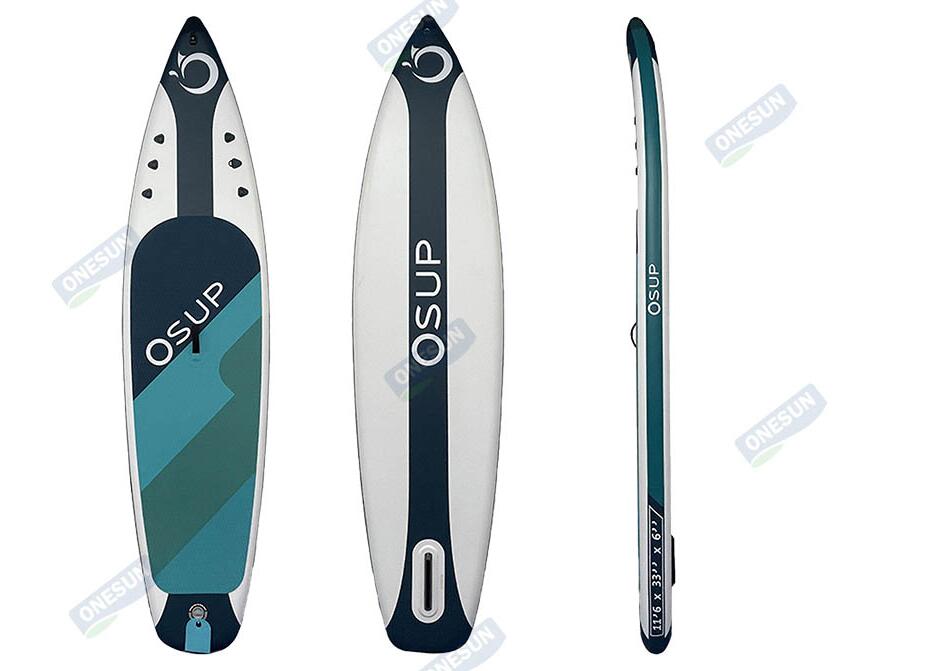
Main Benefits for Beginners
When you look for the best paddle board as a beginner, you want something that helps you feel confident right away. Here’s why so many beginners love inflatable SUPs:
-
Minimalist and low-profile design makes the board comfortable to use.
-
Inflatable boards stay cooler in hot weather, so you won’t burn your feet.
-
You get a full range of motion, which helps you learn faster.
-
Lightweight design means you can carry and set up your board with ease.
-
Compact storage lets you keep your board in a closet or trunk.
-
Inflatable SUPs offer more stability, which is key for building your balance.
-
The soft surface cushions your falls, so you feel safer as you practice.
-
These boards are durable and can handle bumps and scrapes.
-
Many instructors say inflatable SUPs are the best paddle boards for learning because they’re stable and forgiving.
Tip: If you want to try yoga or paddle with friends, a wider inflatable paddle board gives you extra space and stability.
Inflatable vs. Hard Paddle Boards
You might wonder how inflatable SUPs stack up against hard boards. For most beginners, inflatables win in almost every way that matters at the start. Check out this quick comparison:
|
Feature
|
Inflatable Paddle Boards
|
Hard Boards
|
|
Portability
|
High
|
Low
|
|
Safety
|
Softer landing
|
Harder surface
|
|
Versatility
|
Multi-use capability
|
Limited use
|
|
Transport effort
|
Low
|
High
|
|
Damage risk
|
Low
|
High
|
Inflatable SUPs have a wider and thicker shape, which gives you more stability. This makes it easier to stand up and paddle, even if you’ve never tried before. The soft deck also means you’re less likely to get hurt if you fall. Most beginners find that the learning curve is much shorter with an inflatable board. You’ll feel steady and secure, so you can focus on having fun instead of worrying about falling in.
If you want a beginner paddle board that offers quality, safety, and ease of use, an inflatable SUP is a smart choice. You’ll spend less time struggling and more time enjoying the water. That’s why so many people say inflatable boards are the best paddle boards for beginners.
Key Features of an Inflatable Paddle Board
When you look for the best paddle board as a beginner, you want features that make your first experience safe, fun, and easy. Let’s break down what you should look for and why these features matter.
Stability and Buoyancy
Stability is the number one thing you’ll notice when you step onto a sup for the first time. You want a board that helps you feel steady, so you can focus on paddling instead of worrying about falling in. Inflatable paddle boards often come with a wider design—usually around 32 to 34 inches—which gives you better balance and makes it easier to stand up. A medium length and a thickness of about 5 inches also help with buoyancy and keep you floating high on the water.
-
Choose a wider board for better stability.
-
Boards with more volume help you stand and balance with ease.
-
A gently curved outline makes turning and maneuvering simple.
-
Inflatable sups are generally thicker than hard boards, which boosts buoyancy and weight support.
The Onesun inflatable paddle board takes this even further with its double chamber system. This design means you get extra buoyancy and a backup chamber for added safety. Even if one chamber loses air, you stay afloat and secure. That’s a huge confidence boost for beginners.
Tip: If you want to try yoga or paddle with friends, a wide and stable sup gives you the space and support you need.
Durability and Safety
You want your board to last through bumps, scrapes, and all the adventures you have planned. Inflatable paddle boards use tough, reinforced materials that resist punctures and impacts. The Onesun board, for example, uses high-quality, double-layer PVC that stands up to rough use and keeps its shape over time.
|
Material Type
|
Impact on Performance
|
Suitable For
|
|
Reinforced Boards
|
Increased rigidity and performance, preventing flexing in the middle of the board.
|
Beginners learning to paddle.
|
|
Stiffer Boards
|
More stability and better tracking, especially on flat water.
|
Casual paddlers and beginners.
|
|
Double-layer PVC
|
Superior stability in various conditions, ideal for choppy waters.
|
Touring, fishing, performance sports.
|
|
Single-layer PVC
|
Good balance of comfort, lightness, and stability for flatwater paddling.
|
Casual paddlers in mild conditions.
|
Inflatable sups are also impact-resistant and can handle wear and tear better than hard boards. You don’t have to worry about dings or cracks if you bump into rocks or docks. For safety, the double chamber system on the Onesun board gives you peace of mind. If you ever have a leak, you still have a backup chamber to keep you safe. Always remember to use a leash and wear a personal flotation device for extra protection.
Lightweight and Portability
One of the best things about inflatable paddle boards is how easy they are to carry and store. Most inflatable sups weigh between 18 and 28 pounds, while traditional hard boards can weigh up to 38 pounds. That difference makes a big impact when you’re loading your board into your car or carrying it to the water.
-
You can transport your board deflated in a backpack, which saves space in your car and makes travel simple.
-
If you prefer, you can also carry your board inflated on a roof rack.
-
The lightweight design means you can set up and pack away your board with ease, even if you’re on your own.
The Onesun inflatable paddle board is especially easy to move around. Its lightweight build and compact storage bag mean you can take it anywhere, whether you’re heading to the lake, river, or ocean.
Versatility for Activities
Inflatable paddle boards are not just for paddling in a straight line. You can use your sup for all kinds of activities, which makes it a great investment for beginners who want to try new things.
|
Activity Type
|
Description
|
|
Fishing
|
Great for beginners who want to fish while paddling.
|
|
Yoga
|
Wide, stable boards are perfect for practicing yoga on the water.
|
|
Recreation
|
Enjoy general paddling for fun and relaxation.
|
|
Touring
|
Take longer trips and explore new places.
|
The Onesun board’s wide design and double chamber system make it perfect for yoga, team activities, or just relaxing with friends. The extra space and stability mean you can move around, try new poses, or even bring a pet along for the ride. The board adapts to different water conditions, so you can paddle on calm lakes or take on small waves with confidence.
Note: A versatile sup lets you explore, exercise, and have fun—all with one board.
When you choose a high-quality inflatable paddle board with features like a double chamber system, wide deck, and durable materials, you set yourself up for success. These features give you the stability, safety, and ease you need to enjoy every moment on the water. That’s why so many people say inflatable sups are among the best paddle boards for beginners.
How to Choose a Beginner Paddle Board
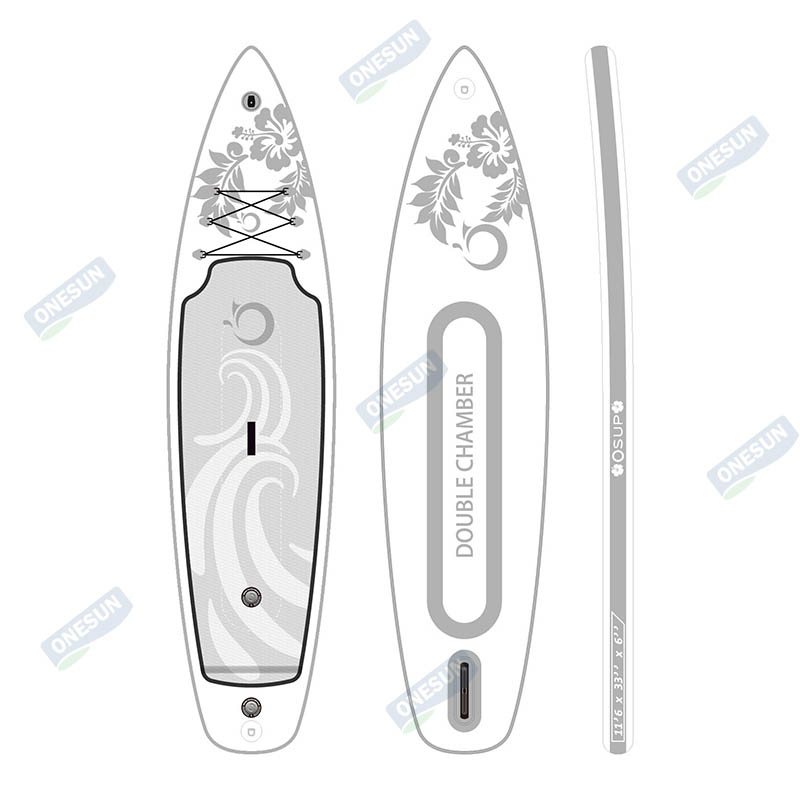
Matching Board Size to You
When you start choosing a paddle board, size matters more than you might think. You want a board that fits your body and skill level. If you pick a board that’s too small, you’ll struggle with balance. If it’s too big, you might find it hard to maneuver. Here’s what you should look for:
-
Board size affects stability, speed, and maneuverability. Larger boards give you more stability but move slower. Smaller boards go faster but feel less steady.
-
Board thickness influences rigidity and stability. Thicker boards offer more stability, while thinner boards are lighter but less stable.
For beginners, a width of 32"-34" is ideal. Wider boards help you stay upright and reduce the risk of tipping. You can focus on improving your paddling technique with ease. As you gain confidence, you might try narrower boards for more speed.
If you want the best paddle board for learning, stick with a board that’s wide and thick enough to support you.
Understanding Board Shapes
Choosing a paddle board shape is another key step. You’ll see two main types: all-around and touring. Check out this table to see the differences:
|
Feature
|
All-Around Paddle Board
|
Touring Paddle Board
|
|
Nose Shape
|
Round
|
Pointed
|
|
Stability
|
More stable
|
Less stable
|
|
Maneuverability
|
Easier
|
Harder
|
|
Speed
|
Slower
|
Faster
|
|
Ideal Use
|
Recreation, yoga, fishing
|
Expeditions, racing
|
|
Best for Beginners
|
Yes
|
No
|
All-around boards are the best paddle boards for beginners. You get ease of use, stability, and versatility for activities like yoga or fishing.
Budget and Value
Your budget plays a big role in choosing a paddle board. Quality beginner inflatable boards usually cost between $350 and $500. Boards under $350 often lack durability and ease of use. If you want a board that lasts and performs well, set your budget in this range.
Where to Buy
You can buy your sup online or at specialty stores. Look for retailers with good reviews and clear warranty policies. When choosing a paddle board, check for quality materials, ease of setup, and reliable customer support. Onesun offers inflatable sups with features that make your first experience smooth and enjoyable.
Take your time choosing a paddle board. The right board gives you confidence, ease, and fun every time you hit the water.
Common Mistakes Beginners Should Avoid
Overlooking Stability
You might think any sup will work for you, but stability makes all the difference for a beginner. Many people focus only on the length of the board and forget about width and thickness. These two factors play a huge role in how steady you feel on the water. If you pick a narrow board, you’ll spend more time trying to balance than actually paddling. Wider boards give you more forgiveness and help you stay upright, especially when you’re just starting out.
-
Start on your knees to get a feel for the board’s stability.
-
Spend your first 10-15 minutes paddling on your knees to lower your center of gravity.
-
Use your core muscles and keep your hips loose to adjust to the water’s movement.
Mastering balance is often the toughest part for beginners. If you want the best paddle board experience, always choose a sup with enough width and thickness to support you.
Choosing Low-Quality Boards
It’s easy to get tempted by a low price or a flashy design, but not all inflatable sups are created equal. Boards that cost less often use weak paddles or leashes that can break under stress. You don’t want to risk your safety or fun because of poor durability. Last summer, emergency calls about drifting or capsizing increased by 21% for beginners using underbuilt boards. Winds can push a low-quality sup far from shore in just half an hour.
-
Don’t let looks or price be your only guide.
-
Focus on quality, durability, and ease of use.
-
A reliable inflatable board gives you confidence and keeps you safe.
Ignoring Warranty and Support
Many first-time buyers forget to check the warranty and customer support. A long warranty shows the brand stands behind its inflatable paddle boards. This protects you from defects and gives you peace of mind. Quality boards often come with at least a two-year warranty, which is a good sign you’re making a smart investment.
Reliable customer support matters, too. If you have questions or run into issues, you want quick answers and real help. Good support makes your whole sup experience smoother and more enjoyable.
Take your time, look for brands that offer strong warranties and helpful support, and you’ll set yourself up for ease and fun on the water.
Tips for Beginner Paddle Boarders
Setup and Inflation
Getting your sup ready for the water feels simple when you follow a few easy steps. Start by unrolling your inflatable board on a flat surface. Use a pump that matches your needs. Many beginners like dual stage hand pumps because they make inflation faster and easier. Electric pumps work well if you want even more ease, but they can be heavier. Always check that your pump has a pressure gauge so you don’t over-inflate your board. If you use an adapter with an air compressor or bike pump, keep an eye on the pressure. Stop inflating once you reach the recommended PSI for your board. Onesun’s lightweight design means you can carry your sup to the water without breaking a sweat.
Tip: Store your pump and accessories in the board’s carry bag for quick setup next time.
Basic Safety and Paddling
Safety comes first for every beginner. Always bring a waterproof phone or another way to call for help. Check the weather and water conditions before you head out. Avoid strong winds and currents, and stay alert for boats or other hazards. Talk to local paddlers if you want tips about hidden dangers. When you start paddling, use your core muscles and keep your knees slightly bent. This helps you balance and control your sup. Practice falling safely by landing flat in the water, away from your board.
What to Expect When Learning
Your first paddle boarding experience will feel exciting and a little challenging. You’ll spend time getting used to your gear and learning how to balance on your inflatable sup. Most beginners find balance the hardest part at first, but you’ll improve with practice. Focus on holding your paddle the right way and using smooth strokes. As you gain confidence, you’ll notice the quality and durability of your board make a big difference in your performance and ease on the water. Remember, every beginner goes through this learning curve, so enjoy the ride and celebrate your progress!
Choosing your first inflatable paddle board feels exciting. As a beginner, you want stability, safety, and a board that fits your needs. Focus on these basics, and you’ll find learning much easier. The right board helps you build confidence and enjoy every moment on the water. Remember, every beginner starts somewhere—so get out there, have fun, and let your adventure begin!
FAQ
How long does it take to inflate an inflatable paddle board?
You can inflate most boards in 7–10 minutes with a hand pump. Electric pumps make it even faster. Check your board’s recommended PSI for best results.
Can I use my inflatable paddle board in the ocean?
Yes, you can! Just pick calm days and stay near the shore if you’re new. Always check weather and tide conditions before heading out.
How do I clean and store my board?
Rinse your board with fresh water after each use. Let it dry completely. Roll it up and store it in a cool, dry place. This keeps your board in great shape.
What should I wear when paddle boarding?
Wear comfortable swimwear or quick-dry clothes. In cooler weather, try a wetsuit. Always wear a life jacket for safety.
How much weight can an inflatable paddle board hold?
Most boards support 220–330 pounds. Check your board’s specs for the exact limit. Onesun boards offer strong support for solo paddlers or team fun.



 IPv6 network supported