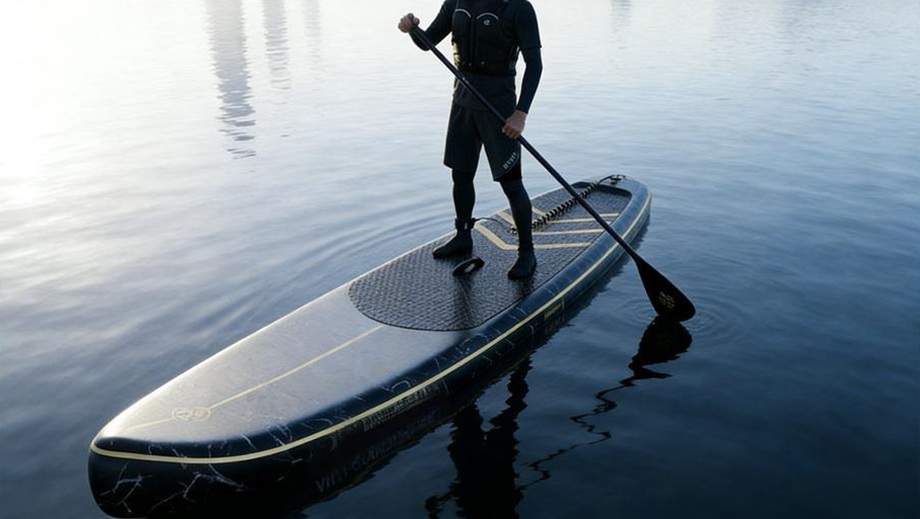
SUP boards are special in 2026. They use new technology and focus on what users need. More people enjoy SUP paddle sports now. The sport grows by 10.5% each year. People want to get fit and have fun. When you pick a paddle board, check for stability. Look at the materials used to build it. See if the board can do many things. These things help you feel comfortable. They make every SUP session fun. The table below shows what experts think is important. It lists what matters for quality and value. Always think about your skill level. Think about why you want a paddle board. This helps you choose wisely.
|
Feature
|
Description
|
|
Stability
|
The 11'3" Sport MSL 800 glides well and is steady. It works well for beginners.
|
|
Construction Materials
|
The 14'0" Elite MSL 800 uses MSL800 material. This makes it stiff and helps it perform better.
|
|
Versatility
|
The 9'2" Compact MSL 1000 is quick and easy to turn. It mixes control and steadiness for surfing.
|
SUP Boards Stability
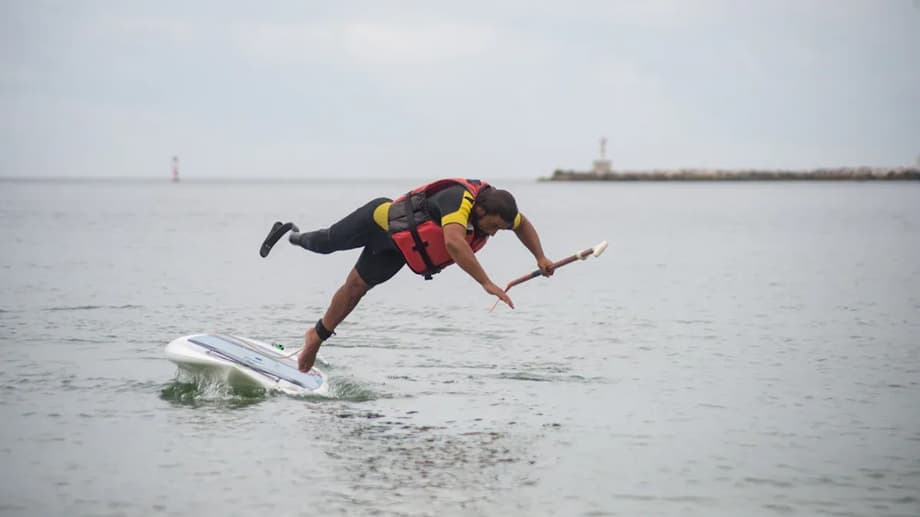
Stability stands as the most important feature when you look at sup boards in 2026. If you want the best paddle board experience, you need to feel steady on the water. Stability helps you stay balanced, whether you are a beginner or have years of practice. When you choose a board with the right stability, you gain more control and enjoy every session. This makes your investment in a good isup or hard board worth it.
Stability brings many benefits. You improve your balance and build core strength as you paddle. Studies show that more time on a sup leads to better balance and stronger muscles. This means you get fit while having fun.
Board Width and Shape
The width and shape of a inflatable stand up paddle board play a big role in how stable it feels. If you are a beginner, you should look for a board that is wider, around 24.5 to 26 inches. Wider boards give you more stability and help you learn faster. They also make it easier to paddle in rough water. Experienced paddlers may pick a narrower board for more speed, but this requires better balance.
Here is a quick look at some popular shapes and their stability ratings:
|
Board Name
|
Length
|
Width
|
Volume (liters)
|
Stability Rating
|
|
Kona Cruiser Air
|
12'6"
|
30.5"
|
N/A
|
Exceptional
|
|
Kona Active Air SUP
|
10.8"
|
32"
|
291
|
Very Stable
|
|
Kona Core Air SUP
|
10.8"
|
32"
|
N/A
|
Solid Performance
|
A wider board gives you a larger planing surface. This keeps the board on top of the water and makes it easier to balance. The shape and volume also matter. If you want a good isup, check these features before choosing a paddle board.
Deck Pad and Grip
The deck pad and grip are key criteria for stability and comfort. A quality deck pad uses EVA foam with textured patterns. This gives your feet better grip and keeps you from slipping. For flat water, a smooth pad with shallow textures works well. In rough water, deeper grooves help shed water and improve grip.
-
Deck pad materials and grip patterns add comfort and control.
-
A longer deck pad, covering up to 75% of the board, is great for activities like SUP Yoga.
-
Heat-sealed and anti-slip EVA pads last longer and reduce peeling.
When you look for the best paddle board, always check the deck pad. It can make a big difference in your paddling experience. The right features help you feel safe and confident, no matter your skill level. This makes your sup board a smart investment for fun and fitness.
Key Features of SUP Boards
Hard vs Inflatable SUP Boards
When you look at hard and inflatable SUP boards, you notice some big differences. Hard boards move faster on the water. They are stiff, so you use less energy to paddle. This helps you go farther and race better. Hard boards cut through water easily. People who want speed or paddle in rough water like hard boards best.
Inflatable boards, or isup, have other good things. They are easy to carry and store. You can roll them up and put them in your car or closet. Inflatable boards are tough because they use strong materials. If you fall, they feel softer and safer. Many beginners pick inflatable boards for flatwater paddling. New technology makes some inflatable boards almost as stiff as hard boards. This means they work well in many water conditions.
Here is a table that shows the differences:
|
Attribute
|
Inflatable SUPs
|
Hard SUPs
|
|
Durability
|
More durable, military-grade materials
|
Prone to dings, needs repairs
|
|
Stability
|
Great for flatwater
|
Best in rough water and surfing
|
|
Convenience
|
Easy to store and transport
|
Needs more space
|
|
Performance in Rough Water
|
Not as strong
|
Superior
|
Think about your skill level and where you want to paddle. Both types have good points. Pick the board that fits your needs.
Fin Design and Performance
Fin design is very important for how a SUP board works. Fins help you control your board and keep it steady. Long fins help your board go straight and fast. Short fins make it easier to turn. This helps when you paddle in small spaces or waves.
You can change the fin setup to fit your style. A single fin works well in calm water. It helps you go fast and straight. A three-fin setup, called a thruster, helps you turn and stay steady in choppy water. If you move the fin forward, the board turns faster. If you move it back, the board goes straighter.
Here is a table to show how the setups work:
|
Fin Setup
|
Tracking
|
Speed
|
Maneuverability
|
Conditions
|
|
Single Fin
|
Better
|
Faster
|
Less agile
|
Calm waters
|
|
Three Fin
|
Moderate
|
Slower
|
Higher
|
Choppy conditions
|
When you pick an isup, look at the fin design. This small part can change your whole paddle boarding time. The right fin setup is smart for all paddlers. It helps you reach your goals and enjoy your SUP board.
Beginner Paddle Board Essentials
Ideal Dimensions for Beginners
When you start your paddle board journey, the right size makes a big difference. The best paddle board for a beginner offers stability and comfort. Experts suggest you look for boards between 10 and 11 feet in length. This size helps you balance and learn faster. A wider beginner inflatable paddle board gives you more stability, which is important for your first SUP sessions.
Here is a table to help you see the recommended dimensions:
|
Length
|
Width
|
Use Type
|
|
10’ - 11’
|
32” - 34”
|
Beginners & Yoga
|
A wider board focuses on stability. This feature helps you feel safe and confident as you practice. When choosing a paddle board, always check the size and width. These criteria help you find a good isup that matches your needs. The right dimensions improve your paddle board learning experience and make your investment worthwhile.
Lightweight and Portability
Lightweight inflatable SUP boards offer many benefits for new paddlers. You can carry them easily and store them without trouble. The weight of a board affects how you move it, how stable it feels, and how safe you feel on the water. If you pick a heavy board, you may struggle to transport it. A lighter board makes your SUP adventure more enjoyable.
-
Lightweight construction makes SUP boards easier to transport and manage, especially for beginners.
-
New methods create boards that are both lightweight and durable, so you get quality and long-lasting use.
-
Lighter boards improve portability, letting you carry them over long distances to the water.
You should look for these features when you want the best paddle board for your needs. A lightweight isup gives you freedom and flexibility. It also meets the criteria for a smart investment. When you choose a board that is easy to carry, you spend more time enjoying the water and less time worrying about transport. This makes your SUP experience better from the start.
Durability and Construction Features
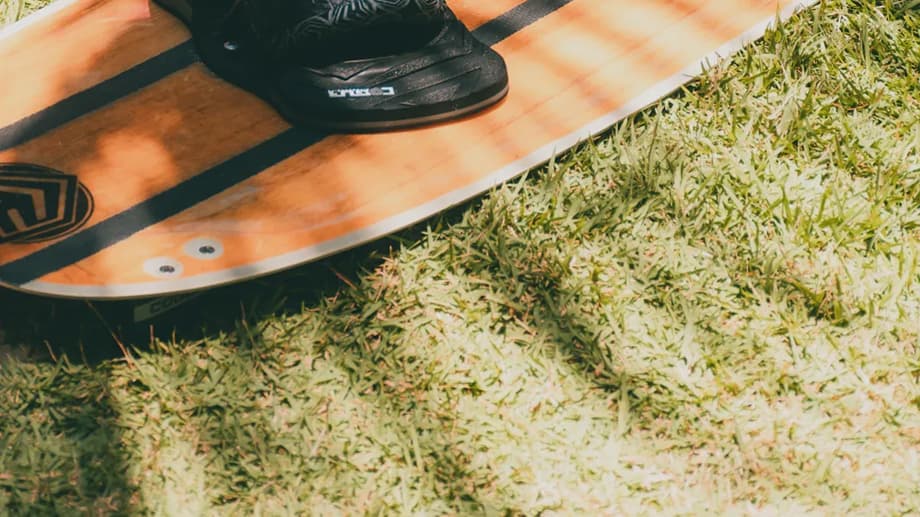
Materials and Longevity
Picking a SUP board that lasts is important. The materials and how it is built matter a lot. Many boards use fusion drop-stitch technology. This makes the board harder but keeps it light. Rubber patched air valves stop leaks and let the board bend. Lightweight materials help you carry your board easily. This is good for beginners.
|
Material/Technology
|
Benefit
|
|
Rubber Patched Air Valves
|
Makes the board airtight and flexible, so it leaks less.
|
|
Fusion Drop-Stitch Technology
|
Makes the board hard and light for better use.
|
|
Lightweight Materials
|
Makes the board easy to carry and use.
|
Look for boards made with military-grade PVC and strong seams. These features help your board avoid holes and damage. Boards with double layers last longer but are heavier. Fusion construction gives you both strength and less weight. Beginners should pick boards with good materials. This helps your board last and stay strong.
-
Strong materials like military-grade PVC and drop-stitch help boards take hits and stay safe.
-
Fusion PVC with drop-stitch makes boards tough and stops holes.
-
Strong seams make boards last longer.
UV and Weather Protection
Sun, water, and heat can hurt your SUP board. You need to keep your board safe from these things. Many boards have UV-resistant coatings and storage bags. These stop fading and keep the board strong. Using UV spray helps keep the color bright. Store your board in a cool, dry place away from sunlight. This stops warping and cracking.
|
Protective Measure
|
Effect on Lifespan
|
|
UV-resistant storage bags
|
Stops the board from breaking down.
|
|
Keeping boards away from bright light
|
Stops fading and keeps the board strong.
|
|
Applying UV protectant spray
|
Keeps color bright and board strong.
|
After you use your SUP, rinse it with fresh water. This gets rid of salt and dirt that can hurt your board. Do not leave your board in the sun for too long. Wet boards can get mold if not dried well. Hot or cold weather can make the board change shape and break. These steps help your board last longer and protect your money.
Storage and Versatility Features
On-Board Storage Options
You need smart storage solutions for your SUP board, especially if you have limited space at home. Inflatable SUPs give you compact storage, which makes them perfect for apartments or small garages. You can use wall racks or ceiling racks to keep your board off the floor. These racks protect your board and save space. Many people also try DIY storage ideas. These let you customize your setup and save money. If you do not have indoor space, outdoor storage sheds and paddle board covers help keep your board safe from weather.
Tip: Always rinse your board and dry it before storing. This keeps your board in top shape and protects its quality.
Popular storage options in 2026 include:
-
Wall racks for easy access and protection
-
Ceiling racks to maximize space
-
DIY solutions for a budget-friendly approach
-
Outdoor covers and sheds for weather safety
Multi-Use and Lifestyle Fit
You want a SUP board that fits your lifestyle and supports many activities. Boards with high versatility let you try yoga, fishing, or touring without buying extra gear. For yoga, you need a stable and wide board. This helps you balance and try new poses. Inflatable boards work well for yoga because they feel soft and steady. If you like fishing, choose a board with a higher weight capacity and space for your gear. Touring boards let you explore new places and see wildlife.
A good SUP board supports different needs. You can see the main features in the table below:
|
Feature
|
Description
|
|
Stability
|
Boards with high weight capacity work for groups or solo use.
|
|
Comfort and Convenience
|
Deck pads, carry handles, and D-rings make your time on the water easier.
|
|
Kit Value
|
Boards with more included gear give you better value for your money.
|
|
Construction
|
Durable boards last longer, even with rough use or group activities.
|
If you are a beginner, look for boards that offer both stability and versatility. These boards help you learn new skills and enjoy different activities. You get more value from your investment and can share the fun with friends or family.
Note: Boards with extra features like cargo areas and deck pads make it easy to switch between yoga, fishing, and touring.
You need a SUP board that is stable, tough, and flexible. These things help everyone have fun on the water. Beginners and experts both need these features. Boards in 2026 use good materials and are easy to use. Many boards are made to be better for the planet. Pick a board that matches your skill level. Think about where you will paddle before you choose.
|
Factor
|
Recommendation
|
|
Board Volume
|
Bigger riders need more volume. Smaller boards turn faster.
|
|
Construction
|
Pick hard or inflatable boards for your lifestyle.
|
Tip: Think about how you paddle and what you need before picking your SUP board.
FAQ
What makes an inflatable paddle board a good choice for beginners?
You get more ease with an inflatable paddle board. It feels light and easy to carry. Many beginners like it because you can store it in small spaces. You can also set it up quickly and start paddling right away.
How do I know if a SUP board has good quality?
You should check the materials and how the board feels. A quality board uses strong seams and tough surfaces. You can also look for reviews from other paddlers. Good boards last longer and give you a better experience on the water.
Is paddle boarding a good workout?
Yes! Paddle boarding gives you a full-body workout. You use your arms, legs, and core muscles. You burn calories and build strength. Many people enjoy the health benefits of paddle boarding while having fun outside.
What is the difference between an inflatable stand up paddle board and a hard board?
An inflatable stand up paddle board is easy to move and store. You can roll it up and put it in a bag. Hard boards feel faster and glide better. Beginners often pick inflatable boards for their ease and safety.
How can I make paddle boarding easier as a beginner?
You can start on calm water and use a wide inflatable paddle board. This gives you more balance and ease. Practice standing up slowly. Wear a life jacket and ask for tips from other paddlers. You will improve with time.



 IPv6 network supported