
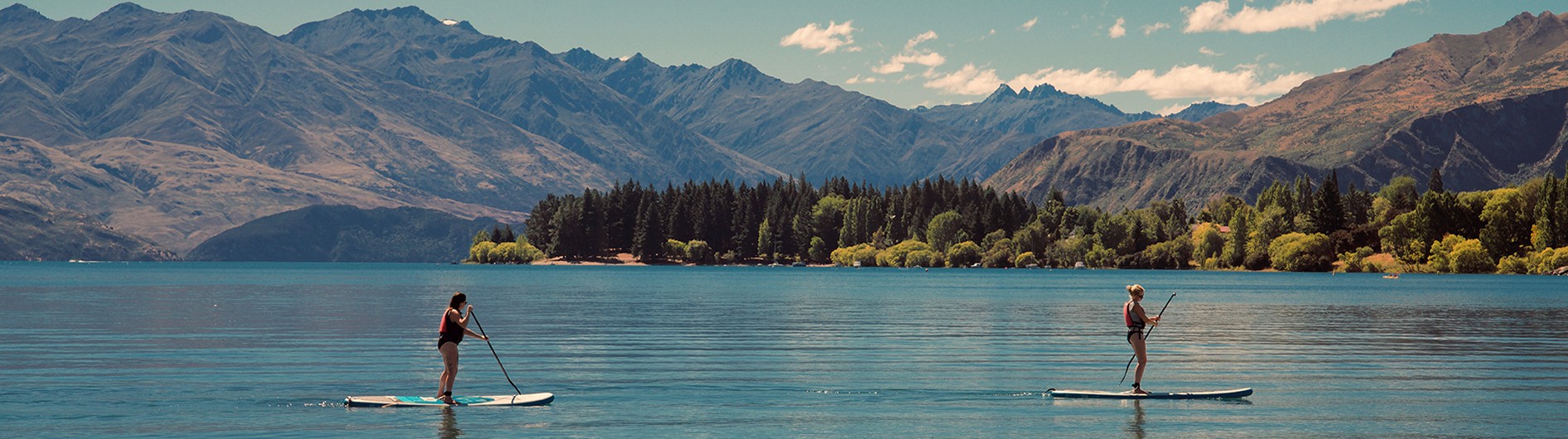
As a beginner on the shore, you face a wall of sup boards. How do you choose the right paddle board? This guide covers type, construction, size, and quality accessories. Your preferences matter first. The global stand up paddle boarding market was USD 1.92 billion in 2023. A beginner needs a beginner-friendly board with 30–34 inches width for stability. A quality paddle is equally important for a beginner. Every beginner should think about these factors. Your perfect sup is a stand-up paddleboard that fits you. Focus on width for balance. onesun offers boards for various needs, but your personal criteria come first.
Key Takeaways
-
Start with an all-around board for versatility and stability.
-
Choose a board 33–34 inches wide for beginner balance.
-
Inflatable boards offer easy storage and durability.
-
Match board volume to your weight for proper float.
-
Invest in a quality paddle and safety gear.
Key Factors for Choosing Sup Boards
Before you dive into the world of stand up paddle boarding, you need a clear framework. Three primary factors determine how a board performs: length, width, and thickness. These dimensions work together to create the feel of your ride. You cannot choose the right paddle board without understanding how each one affects your experience on the water.
The Big Three: Type, Construction, and Size
Length influences speed and maneuverability. Shorter boards under 10 feet turn quickly and suit surfing or kids. Medium boards from 10 to 12 feet work well for all-around paddling and yoga. Longer boards at 12 feet 6 inches or more deliver speed for touring. Width affects stability and pace. Wider boards offer more balance but move slower. Narrower boards glide faster yet demand more skill. Thickness determines volume and weight capacity. Thicker boards support heavier paddlers and feel more stable.
|
Factor |
Key Characteristics |
Recommendations |
|---|---|---|
|
Length |
Affects speed and maneuverability |
Short (<10') for surfing/kids; Medium (10'-12') for all-around/yoga; Long (12'6"+) for touring/speed |
|
Width |
Affects stability and speed |
Wider (31"+) for yoga; narrower for racing/surfing |
|
Thickness |
Affects volume and weight capacity |
Choose based on paddler weight |
Your skill level matters too. A beginner paddle board should prioritize stability over speed. The Osurf All Around General Paddle Board exemplifies this design philosophy with its balanced dimensions. For those seeking performance later, the Stand Up Paddle Board Sup-board ORace offers a streamlined shape for flat-water efficiency.
The Beginner Paddle Board Checklist
Every beginner needs essential gear beyond the board itself. Your checklist should include core items for safety and comfort. A quality paddle matters as much as the board. An adjustable paddle lets you find the perfect length. An ankle leash prevents your board from drifting away. A pump inflates your board properly. Fins provide tracking and control.
-
Inflatable paddle board (prioritize width and stability)
-
Paddle (confirm whether single or double is included)
-
Ankle leash (prevents board drift in wind or current)
-
Pump (practice inflation at home)
-
Fins (for tracking and control)
-
PFD or life vest
-
Waterproof phone case
-
Drinking water
-
Sunscreen, hat, and sunglasses
-
Dry bag for keys, wallet, and towel
Your budget shapes your choices, but safety gear remains non-negotiable. The best beginner paddle boards include these essentials in their packages. Consider your storage space and transport options when selecting between inflatable and hard constructions. A stand-up paddleboard should fit your lifestyle, not just your skill. Quality accessories elevate your experience and keep you safe on every outing.
Understanding Sup Board Types
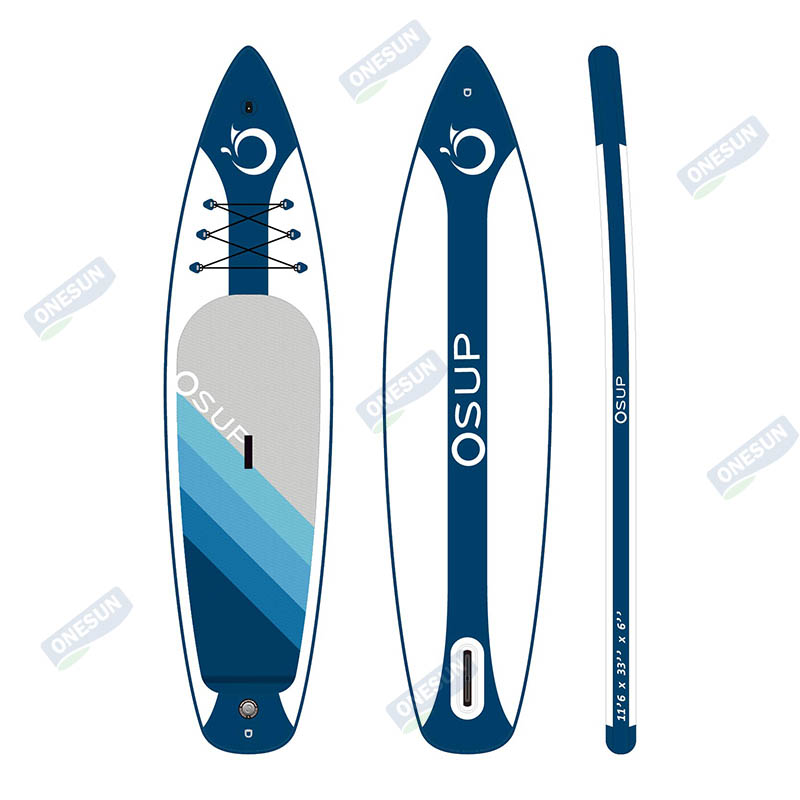
Every sup board fits into a category based on its design purpose. You need to match your board type to your primary activity. The wrong type creates frustration. The right choice makes every session enjoyable.
All Around Sup Paddle Board: The Versatile Choice
An all-around board works for most beginners. This category combines stability, maneuverability, and ease of use. The shape uses a broad, rounded nose. This keeps the board wide up front. This design provides maximum stability and maneuverability for new paddlers.
For a beginner, width matters most. Look for an all-around board at least 33 inches wide. This width resists tipping and builds confidence quickly. The length should fall between 9 feet and 11 feet. This range balances maneuverability with speed for recreational cruising. The sweet spot for most adult beginners sits between 10 feet 0 inches and 10 feet 7 inches. Thickness should reach 4.5 to 6 inches. This thickness provides the volume needed for proper floatation. A gentle rocker curve allows the board to perform in small surf. It also maintains easy gliding on flat water.
The Osurf All Around General Paddle Board exemplifies this category. It offers the balanced dimensions that a beginner needs. A stable all-around inflatable sup like this one gives you room to learn. You can paddle lakes, calm bays, and slow rivers with confidence.
The construction quality of your all-around inflatable sup matters for long-term value. Heat-welded rails and woven drop stitch cores improve durability. These features allow the board to grow with your skill level. Many models include cargo areas, tie-down tabs, and accessory mounts. These additions make your stand-up paddleboard versatile for different outings. This all-around inflatable sup gives you flexibility for many activities.
A beginner paddle board in this category includes essential accessories. A good kit provides a quality paddle, leash, and fins. The paddle should be lightweight and adjustable. You can trust that a beginner paddle board from a reputable brand will serve you well.
Specialty Boards: Touring, Racing, and More
Once you master the basics, you might want a board designed for a specific purpose. Specialty boards optimize for one activity over all-around versatility. The right sup for your next stage depends on your goals.
Touring boards excel at covering distance. They feature a longer length between 11 feet 6 inches and 14 feet. This length provides a smoother glide. The width ranges from 28 to 32 inches. This provides a balance of speed and stability. A pointed nose cuts through water for smooth tracking. These boards include tie-downs and bungees for carrying gear. You can pack food, water, and supplies for a full day on the water. Touring boards offer high volume and extra stability. Many beginners can use them once they build basic balance skills.
Racing boards prioritize speed and efficiency. They reach lengths of 12 feet 6 inches to 14 feet. The width narrows to 21 to 29 inches. This reduces resistance in the water. An elongated nose and flat bottom minimize drag. These boards use lighter materials like carbon fiber. The Stand Up Paddle Board Sup-board ORace is designed for this purpose. It delivers speed and efficiency on flat water. Racing boards demand more skill. The narrow width challenges balance. Every sup in this category sacrifices stability for speed.
Yoga and fishing require their own design features. For yoga, you need a wide and stable platform. Look for boards at least 32 inches wide with flat traction pads. An inflatable construction provides softness on your skin. These boards offer stability for holding poses. Fishing boards need rugged construction for beach landings. They offer room for gear like a cooler, seat, and poles. A fishing paddleboard easily packs into a backpack for remote access.
Surf SUP boards are uniquely shaped for high performance. They maneuver easily, carve, and make quick turns. They won't nose dive when dropping into waves. Sizes and shapes range greatly based on ability, size, weight, and wave type.
Choose your board type based on your primary activity. An all-around paddleboard serves most people well. Specialty boards reward you as your skills advance. Your all-around inflatable sup gives you a solid foundation for years of enjoyment.
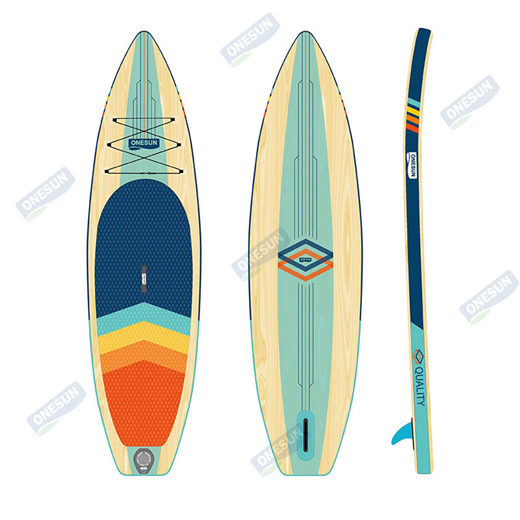
Your next major decision involves construction. You must choose between an inflatable paddle board and a hard epoxy board. Each option serves different needs. Your lifestyle, storage space, and performance goals determine the right choice.
Pros and Cons of Inflatable Sup Boards
An inflatable paddle board offers remarkable advantages for most beginners. Portability stands as the greatest benefit. You roll the board into a backpack-sized bundle. You fit it in a car trunk or a small closet. You can travel with it on airplanes. You can store it on a shelf when not in use.
Durability impresses many new paddlers. The inflatable construction bounces off rocks and docks without dents or cracks. This resilience makes these boards ideal for rivers and rocky shorelines. The soft surface cushions falls, which helps beginners and children build confidence. The non-slip deck provides traction for stability. Many paddlers also appreciate bringing dogs aboard without worrying about scratches.
However, inflatable boards have drawbacks. You must pump the board before each session. This setup takes five to ten minutes. The board flexes more than a hard board, even at proper pressure. This flexibility reduces speed and creates a wobbly feel. The shape limitations include fat, rounded rails that reduce performance in waves. PVC and glue degrade over time, especially in heat and UV exposure. Seam leaks prove difficult to repair. Sharp objects can puncture the material.
|
Aspect |
Inflatable SUP |
Hard Epoxy SUP |
|---|---|---|
|
Portability |
Rolls into a bag; fits in trunk or closet |
Requires roof racks and dedicated storage |
|
Durability |
Flexes on impact; resists dings and cracks |
Vulnerable to dings, cracks, and rail damage |
|
Comfort & Safety |
Soft surface; forgiving on falls |
Hard surface; less forgiving on impact |
|
Performance |
Lower speed; flex reduces efficiency |
Better speed; precise hull shapes |
|
Setup Time |
Requires inflation and deflation |
Ready to use immediately |
|
Longevity |
PVC degrades over time; seam leaks |
Can last many years with proper care |
When a Hard Board Makes Sense
A hard epoxy board suits specific situations better than any inflatable option. Racing and surfing demand superior performance. Hard boards deliver speed, maneuverability, and precise control. The Stand Up Paddle Board Sup-board ORace exemplifies this performance category. Its streamlined shape cuts through flat water efficiently.
Immediate readiness matters for spontaneous paddlers. You grab a hard board and head to the water. No inflation, no pump, no waiting. Consistent firmness also helps in choppy conditions. The rigid platform maintains stability in strong winds. This firmness boosts your confidence and control.
A quality construction hard board lasts for decades with proper maintenance. The Osurf All Around General Paddle Board offers an inflatable alternative with quality construction for beginners. Yet serious racers and surfers often prefer hard boards. Consider your primary activities before choosing. A beginner paddle board usually works best as an inflatable for learning. The best inflatable paddle board provides safety and portability. An all-around inflatable sup gives you versatility. Your paddleboard should match your goals. Choose inflatable for convenience and safety. Choose hard for performance and speed. Your sup boards journey starts with this decision.
Sup Board Dimensions: Finding Your Fit
Dimensions determine how your board performs on the water. You cannot separate length, width, and thickness from your experience. Each measurement plays a distinct role in stability, speed, and comfort. Understanding these numbers helps you answer the question of what size sup board is right for you.
Length, Width, and Thickness Explained
Length controls how your board tracks through the water. Longer boards have more surface area in contact with the water, which gives them greater leverage to resist turning forces from your paddle strokes. This improved tracking means you waste less energy correcting your direction. Your forward strokes push you straighter, so more of your effort becomes speed. A longer waterline also increases hull speed, the theoretical maximum efficient pace. A 12'6" board with a 12-foot waterline reaches a hull speed of 5.34 MPH, while a 10-foot board with a 9'6" waterline tops out at 4.75 MPH. This difference explains why touring boards feel faster over distance.
|
Board Length |
Effect on Tracking |
Effect on Speed |
|---|---|---|
|
Short (<10') |
Poor tracking, twitchy, hard to balance |
Slower, designed for quick turns |
|
Medium (10'6"-11') |
Good tracking, manageable |
Balanced glide and speed |
|
Long (>12') |
Excellent tracking, goes straight |
Faster, designed for speed |
Width serves as the most influential factor for stability. A wider board gives you a larger platform to balance on, which directly reduces the chance of tipping. However, width creates trade-offs. Wider boards feel sluggish and require you to reach farther for a vertical paddle stroke. Narrower boards glide faster but demand more skill to keep upright.
Thickness affects volume and buoyancy. Thicker boards displace more water and support heavier paddlers. A 5-inch inflatable board suits most paddlers. A 6-inch board adds volume for those weighing 225 pounds or more, though it feels bulkier on the water. Interestingly, thickness also influences stability through volume distribution. A board with a flat deck feels more stable than one with a convex deck, even at the same width.
Width and Stability: What Beginners Need to Know
For beginners prioritizing stability, the recommended SUP board width is 33–34 inches. This range provides a broad, stable platform without the drawbacks of excessive width, such as reduced paddling efficiency and discomfort from reaching too far for a vertical stroke. Boards wider than 34 inches become sluggish and counterproductive for stability-focused paddling.
For beginners prioritizing stability, the recommended SUP board width is 33–34 inches. This range provides a broad, stable platform without the drawbacks of excessive width, such as reduced paddling efficiency and discomfort from reaching too far for a vertical stroke. Boards wider than 34 inches become sluggish and counterproductive for stability-focused paddling.
Your body weight matters when choosing width. Lighter paddlers under 150 pounds can manage a 30–32 inch width while still feeling secure. Heavier paddlers should stay closer to 34 inches for confidence. A 9'6" board suits paddlers under 150 pounds for portability without sacrificing speed. A 12'6" board serves touring and racing needs.
|
Dimension |
Effect on Stability |
Effect on Performance |
Typical Range |
|---|---|---|---|
|
Length |
Indirect (via volume distribution) |
Longer = faster; shorter = more maneuverable |
Surf: 8'–10'; Cruise: 9'–11'; Touring: 11'–12'; Race: 12'+ |
|
Width |
Most influential factor; wider = more stable |
Wider = slower, less responsive |
Performance surf/race: 26"–30"; Intermediate: 29"–33"; Beginner/larger: 33"+ |
|
Thickness |
Affects stability via volume distribution (flat deck = more stable; convex deck = less stable) |
Least important on its own; affects surf performance |
Surf: 3.5"–4.5"; Recreational/touring/race: 4.5"–6" |
A beginner paddle board should prioritize width above all other dimensions. The Osurf All Around General Paddle Board offers a stable all-around inflatable sup with dimensions that suit new paddlers. This inflatable paddle board provides the width you need without sacrificing quality construction. For those who advance quickly, the Stand Up Paddle Board Sup-board ORace delivers speed but demands better balance.
The question of what size sup board is right for you depends on your weight, goals, and skill level. A beginner paddle board at 33–34 inches wide builds confidence fast. An inflatable option lets you practice anywhere. Your sup journey starts with the right dimensions. Choose wisely, and your paddleboard will serve you for years.
Stability, Volume, and Weight Capacity
Volume determines how your board floats. It represents the total space inside the board. More volume means more buoyancy. Your board sits higher on the water. This position increases stability. Less volume makes the board sit lower. You feel every ripple. The board feels tippy even in calm conditions.
Understanding Volume and Its Impact on Performance
You can calculate your required volume with a simple rule. Multiply your body weight in kilograms by 1.0 for advanced paddlers. Multiply by 2.0 for beginners. A 75 kg beginner needs at least 150 liters. This calculation gives you a starting point. The right volume keeps you stable and confident.
1L of volume floats 1kg of weight by definition. – Robert Stehlik (Blue Planet Surf)
Rider Weight (kg)
Recommended Volume (liters)
Buoyancy Principle
Under 60
120 – 150
1 liter floats 1 kg
60 – 80
150 – 200
(same principle)
Over 100
250+
(same principle)
Beginners (any)
weight (kg) × 2 (approx.)
Extra stability rule
Too much volume creates problems. The board catches wind. It becomes hard to control. You want enough volume for flotation without excess. Thicker boards float higher. This benefits heavier riders. An inflatable paddle board with proper volume supports your weight effectively. A quality inflatable board maintains its shape at proper pressure.
Matching Your Weight to the Board's Capacity
Board length correlates with weight capacity. Longer boards support heavier paddlers. The table below shows typical limits.
|
Board Length |
Beginner Weight Limit (lbs) |
Advanced Weight Limit (lbs) |
|---|---|---|
|
8'10" |
120 |
Not specified |
|
9'5" |
145 |
Not specified |
|
10' |
180 |
210 |
|
10'6" |
200 |
235 |
|
11' |
225 |
280 |
|
11'6" |
245 |
300 |
|
12'6" |
285 |
Not specified |
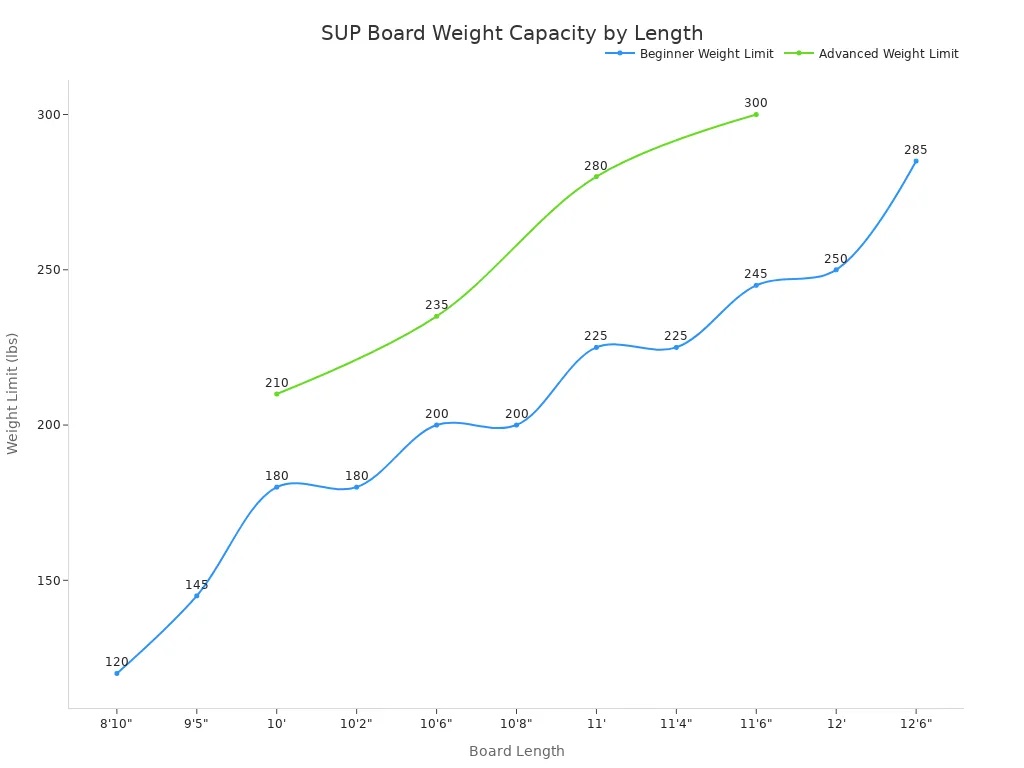
A beginner should check these numbers before purchasing. The Osurf All Around General Paddle Board offers balanced dimensions for new paddlers. This All Around Sup Paddle Board provides adequate volume for most beginners. The Stand Up Paddle Board Sup-board ORace suits lighter, more advanced riders.
Your weight determines what size sup board is right for you. A quality inflatable paddle board lists its capacity clearly. Match your weight to the board's limit. Leave room for gear. This approach ensures a stable ride. The right size paddleboard supports your skill development. An inflatable option lets you practice anywhere. An inflatable construction offers easy storage. Choose volume wisely for your sup journey.
Quality Accessories for Your Sup
Your board matters, but your accessories determine your safety and comfort. A beginner needs the right gear to enjoy every session. You cannot paddle safely without proper equipment. Your sup experience depends on preparation as much as skill.
Essential Gear: Paddle, Leash, and PFD
Safety equipment protects you in unexpected situations. A personal flotation device (PFD) keeps you afloat if you fall and struggle to remount. Choose a paddling-specific model that fits snugly and allows full arm movement. An ankle leash connects you to your board in wind or current. Fast-moving water requires a quick-release waist leash instead, preventing entanglement hazards.
-
Check your SUP equipment: Inspect for leaks and secure your paddle; carry a repair kit and a small first aid kit.
-
Dress appropriately for the weather: Wear quick-drying, light clothing in warm months; use a wetsuit, neoprene shoes, and extra layers in cold conditions.
-
Wear a PFD: A personal flotation device is crucial for all swimmers to stay afloat and get back on the board.
-
Wear a leash: Use an ankle leash for calm water and a quick-release waist leash for fast-flowing water to avoid being trapped.
-
Take a phone & let others know your plans: Ensure you can call for help and someone knows your route.
A dry bag protects your phone, keys, and snacks. A waterproof phone case keeps your device afloat if dropped. Water shoes guard your feet from hot sand and sharp rocks. Polarized sunglasses reduce glare and help you spot obstacles beneath the surface. A brimmed hat shields your face from direct sun during long outings.
Choosing a Quality Paddle for Comfort and Efficiency
Your paddle transfers your energy into forward motion. A quality paddle feels light, resists flex, and matches your height. The blade shape affects your stroke efficiency. High aspect blades suit racers and long-distance paddlers. Low aspect blades deliver quick power for surfing. Medium aspect blades offer versatility for cruising and general paddling.
|
Material |
Weight |
Stiffness |
Durability |
Price |
Best For |
|---|---|---|---|---|---|
|
Carbon Fiber |
Ultra-lightweight |
Exceptional |
High |
Most expensive |
Serious paddlers, racers, long-distance tourers |
|
Fiberglass |
Lighter than aluminum, heavier than carbon |
Good balance |
Moderate impact resistance |
Mid-range |
Intermediate paddlers, frequent users |
|
Aluminum |
Heavier than composites |
Lower |
Can bend permanently |
Affordable |
Beginners, occasional paddlers |
|
Plastic (blades) |
Heavier than composites |
Low |
Highly impact-resistant |
Affordable |
Shallow water, rocky environments, rentals |
|
Wood |
Variable |
Variable |
Good with proper design |
Variable |
Traditionalists, aesthetics |
Blade surface area should match your body size. Small paddlers under 150 pounds need 80-90 square inches. Medium paddlers from 150-200 pounds need 90-100 square inches. Large paddlers over 200 pounds need 100-120 square inches. An adjustable shaft lets you fine-tune your grip position. The Osurf All Around General Paddle Board includes a suitable paddle for beginners. This All Around Sup Paddle Board package covers your initial needs. The Stand Up Paddle Board Sup-board ORace demands a stiffer carbon paddle for performance. Your inflatable paddle board stores easily with a three-piece paddle. The best inflatable options include quality accessories in the package. Invest in a quality paddle early. Your arms will thank you after every session. A lightweight paddle reduces fatigue and improves your stroke technique. The inflatable construction of your board pairs well with a durable paddle. Every beginner should prioritize paddle quality alongside board selection. Your inflatable paddle board journey starts with the right tools.
Common Beginner Mistakes When Buying Sup Boards
Every beginner makes mistakes when purchasing their first board. You can avoid these pitfalls with careful planning. The most common errors stem from rushing decisions without considering your specific needs. Understanding these mistakes saves you money and frustration.
Overlooking Your Primary Use Case
Many beginners buy a board without defining their main activity. You might purchase a racing board for yoga sessions. You could choose a surf board for lake touring. These mismatches create disappointment. The right paddle board depends entirely on your interests and goals.
Consider the six board categories before spending money. All-around boards work for mixed conditions and suit most beginners. Surf boards excel at wave-riding but fail at flat-water cruising. Racing boards prioritize speed but challenge your balance. Touring boards carry gear for long distances. Fishing boards offer stability and height. Yoga boards provide a full-length deck pad for stretching.
If you discover the board is unsuitable after purchase, the initial "great price" becomes a terrible value because you must buy a completely different board. This is especially critical for taller and heavier individuals who require more volume and width for stability.
The Osurf All Around General Paddle Board serves as a versatile All Around Sup Paddle Board for new paddlers. This option handles multiple activities without specialization. You can paddle calm bays, slow rivers, and small surf with confidence. A beginner paddle board like this grows with your skill level.
Choosing the Wrong Size or Construction
Size mistakes plague first-time buyers. You might choose a narrow board under 32 inches for speed. This width challenges your balance and leads to repeated falls. You might overlook weight capacity entirely. When you exceed the board's limit, it drags in the water. Paddling becomes significantly more difficult. Your muscles ache the next day from the extra effort.
|
Board Size Issue |
Consequence for Beginner |
|---|---|
|
Too small |
Repeatedly falling into the water |
|
Too big |
Board feels awkward and heavy, making it difficult to maneuver |
Construction choices also create problems. Some beginners choose the cheapest option blindly. Low-cost boards often use single-layer PVC, leading to leaks and short lifespan. Budget packages include flimsy paddles, pumps, and bags that break easily. A budget beginner paddle board might save money initially but costs more later.
An inflatable paddle board offers portability and durability for most beginners. The best inflatable paddle board bounces off rocks without damage. However, you must inflate it to the proper PSI. Under-inflation causes flexing and poor performance. A quality inflatable construction resists punctures and maintains shape.
Your budget considerations matter, but safety and durability come first. The Stand Up Paddle Board Sup-board ORace suits advanced paddlers seeking speed. Beginners should prioritize stability over performance. Renting or testing boards before buying helps you make an informed choice. Your skill progression depends on starting with the right equipment.
Start with board type. Choose an all-around inflatable sup for versatility, or a specialty board for specific goals. Next, select construction. Inflatable boards offer portability and durability for most paddlers. Finally, dial in dimensions. A beginner needs 33–34 inches of width for stability.
The Osurf All Around General Paddle Board serves as a solid All Around Sup Paddle Board choice. The Stand Up Paddle Board Sup-board ORace suits advanced paddlers. Both options work well, but your needs come first.
Visit the onesun website or a local shop to test boards. Invest in a quality paddle and safety gear. This beginner recommendation summary guides your journey toward the perfect sup. The best inflatable paddle board matches your skill level. These best beginner paddle boards build confidence fast. Your best inflatable paddle board awaits.
FAQ
What width should a beginner choose for stability?
Choose a board between 33 and 34 inches wide. This range provides a broad, stable platform without sacrificing paddling efficiency. Lighter paddlers under 150 pounds can manage 30 to 32 inches comfortably. Heavier paddlers should stay closer to 34 inches for confidence on the water.
How do I know if an inflatable board suits my needs?
An inflatable paddle board works best when portability and storage matter to you. You can roll it into a backpack and fit it in a car trunk. The soft surface cushions falls and resists damage from rocks. Choose this option for lakes, rivers, and casual cruising.
What volume do I need for my weight?
Multiply your body weight in kilograms by 2.0 for a beginner-friendly volume. A 75 kg paddler needs at least 150 liters. This calculation ensures proper buoyancy and stability. Check the board's listed capacity before purchasing to confirm it supports your weight plus gear.
Which board type should a first-time buyer select?
Start with an All Around Sup Paddle Board like the Osurf All Around General Paddle Board. This category balances stability, maneuverability, and ease of use. It handles lakes, calm bays, and slow rivers well. Specialty boards like the Stand Up Paddle Board Sup-board ORace suit advanced paddlers seeking speed.
How long does it take to inflate an iSUP?
Expect five to ten minutes of pumping before each session. Use a quality pump and reach the recommended PSI listed on your board. Under-inflation causes flexing and poor performance. Practice at home once to learn the proper technique and pressure.


 IPv6 network supported